What is Wastewater Treatment? A Comprehensive Overview
In today’s industrial and commercial landscape, wastewater treatment is more than a regulatory checkbox—it’s essential for protecting the environment and preserving public health. Whether you manage an oil and gas facility, a commercial washout station, or a manufacturing plant, understanding the treatment of wastewater—how it works and when you need it—is key to running a safe and compliant operation.
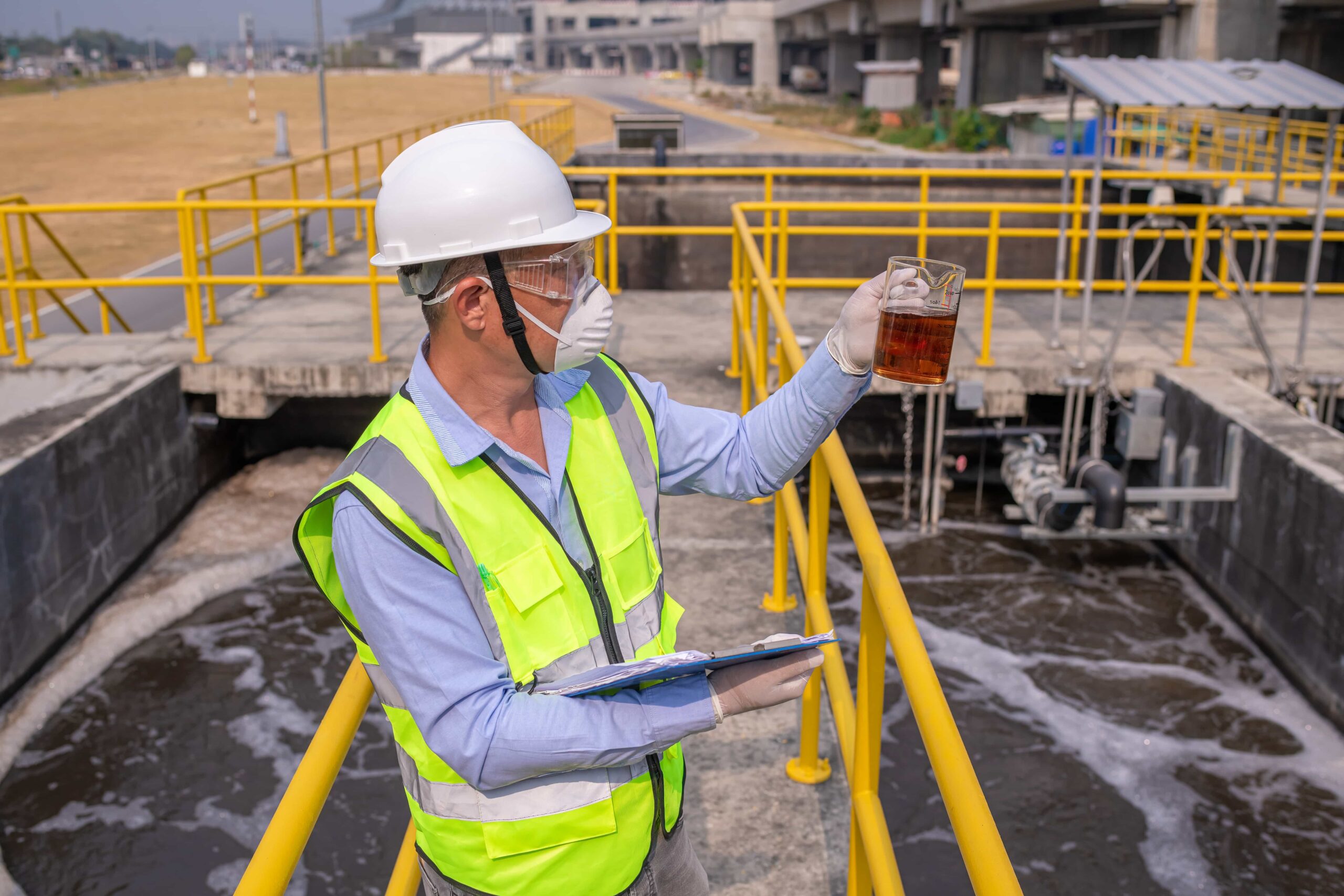
At its core, wastewater treatment removes physical, chemical, and biological contaminants from water that has been used. This is different from general water treatment, which prepares water for drinking or industrial use before it’s ever consumed. Once treated, the water is tested—typically through sampling and lab analysis—to confirm it meets all discharge limits before treatment plants discharge it into the environment or send it to another facility.
In this article, we’ll answer the question, “What is wastewater treatment?” and break down the wastewater treatment process so you can determine if your business needs it.
A Closer Look at Wastewater Treatment
Wastewater treatment is the process of removing substances from wastewater, including physical, chemical, and biological contaminants. This water spans several types of wastewater, including domestic wastewater, and originates from sources such as:
- Industrial and manufacturing operations like energy production, manufacturing, fabrication, etc.
- Commercial activities from the automotive sector maintenance, car washes, or mobile washouts
- Sanitary systems like restrooms and wash stations
The primary goal is to treat water so it’s safe to discharge back into the environment (or a secondary treatment facility)—protecting drinking water supplies and water bodies downstream—or reuse within operations. In either situation, treated wastewater must meet strict standards set by the Environmental Protection Agency (EPA) and local authorities. For businesses, wastewater treatment isn’t just about sustainability—it’s also about:
- Avoiding fines
- Staying operational
- Maintaining public trust
- Improving operations
Releasing untreated wastewater or failing to manage it properly can result in environmental harm, penalties, or even facility shutdowns.
How Wastewater Treatment Works
Wastewater treatment involves several types of treatment, each targeting specific contaminants. These generally include physical, chemical and biological treatment stages. An organization can customize the process depending on the nature of the wastewater and the level of treatment required (whether for discharge or reuse).
Ultimately, here are the treatment steps and levels of wastewater treatment involved:
Primary Treatment: Removing Large Solids
The first step in wastewater treatment focuses on removing visible, solid contaminants in wastewater (i.e., “physical contaminants”). This treatment uses methods such as:
- Screening out large debris such as plastics, rags, or pieces of industrial material (e.g., wood, metal, or fiber)
- Using settling tanks to separate solids from liquids, where heavy particles sink to form sludge while light materials float to the top
This stage prepares the water for further refinement in secondary treatment. Together, primary and secondary treatment work to help wastewater meet strict wastewater treatment standards before discharge or reuse.
Secondary Treatment: Advanced Filtration
Secondary treatment of wastewater advances beyond conventional treatment by removing dissolved and microscopic contaminants from wastewater. This stage is especially important when water is being reused or discharged into sensitive environments.
The treatment technologies used vary depending on the wastewater’s composition and desired water quality. Treatment methods may include:
- Sand or carbon filtration to remove fine particles and odors
- pH adjustment, a form of chemical treatment, to neutralize water chemistry
- UV disinfection, chlorination, or ozone treatment to kill harmful microorganisms
By the end of secondary treatment—an advanced treatment stage—the water is typically clear, safe, and ready for reuse in an industrial system or compliant discharge. For facilities with especially strict discharge requirements, an additional tertiary treatment stage—a form of downstream treatment—may serve as a final treatment step, providing further polishing before discharge.
Sludge Treatment and Disposal
Managing sludge is an important part of wastewater treatment. It’s essential to manage the sludge generated from primary treatment through proper sludge treatment or disposal methods. This wastewater sludge contains a high concentration of contaminants and solids that treatment plants must stabilize or dispose of safely as part of responsible waste disposal practices.
Key processes include:
- Dissolved Air Flotation (DAF) to separate oils and suspended solids
- Dewatering via centrifuges or filter presses to reduce volume
- Disposal options which include landfilling for non-hazardous waste and composting or land application (where permitted)
Handling wastewater and sewage properly ensures you’re not just cleaning the water, but also responsibly dealing with what’s left behind.
When Do Businesses Need Wastewater Treatment?
Not all facilities need the same wastewater treatments. While some may rely on conventional wastewater treatment via municipal wastewater systems, others require onsite or mobile treatment because of their volume, location, or the type of waste generated. For example, a small carwash may contract with a provider while a large industrial facility may invest the capital required to build their own facility.
Here are a few common scenarios where businesses need wastewater treatment services:
When Discharge Exceeds Permit Limits
If your facility discharges wastewater into a municipal system or a nearby body of water, you’re likely subject to EPA and local Publicly Owned Treatment Works (POTW) regulations. These municipal wastewater treatment works, often called POTWs or sewage treatment plants, are designed to treat municipal wastewater generated by homes and businesses before safe discharge.
Exceeding the limits on your wastewater discharges can lead to:
- Hefty fines
- Operational delays or shutdowns
- Legal exposure
Effective treatment and regular testing ensure your treatment level stays within the limits of your discharge permits.
Business Handling Specialty Wastewater Streams
Some businesses deal with pollutants in wastewater, such as:
- Oils and grease
- Chemical solvents
- Heavy metals
- Hydrocarbons
These contaminants require specialized industrial wastewater treatment processes and equipment to treat safely. Partnering with an experienced provider ensures that your business handles specialty wastewater properly, protecting your facility and the environment.
Businesses Located in Remote or Rural Areas
If your site is off the grid or far from centralized municipal wastewater treatment plants, on-site or mobile treatment may be your only option.
- Construction sites
- Rural commercial facilities
- Oil and gas operations
Fortunately, Boomer Environmental offers mobile wastewater treatment systems, a practical alternative to fixed wastewater treatment facilities, designed to meet remote needs without sacrificing performance.
When Water Reuse or Recycling is a Priority
Because clean water is a precious, limited resource, businesses are turning to water reuse and reclamation to:
- Lower consumption and utility costs
- Improved environmental sustainability
- Increased operational efficiency
Treated wastewater can be reused onsite in washdowns, cooling systems, or other non-potable applications, helping your business go green while saving “green”.
Find the Right Wastewater Solution with Boomer Environmental
So, what is wastewater treatment? It’s a critical process, made up of several stages of wastewater treatment, that keeps our water safe, our businesses compliant, and our environment protected. Whether you’re required to treat wastewater by law or simply want to operate more sustainably, having a wastewater management plan in place is essential.
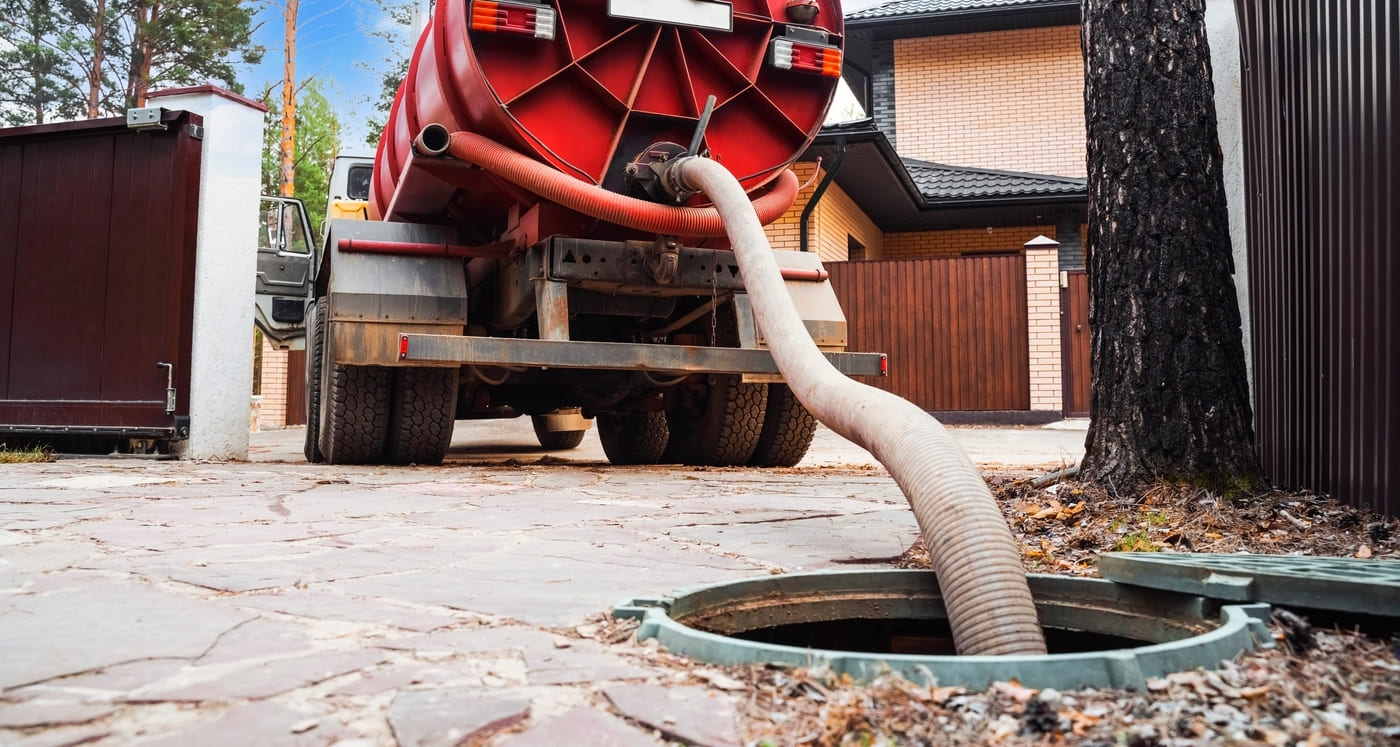
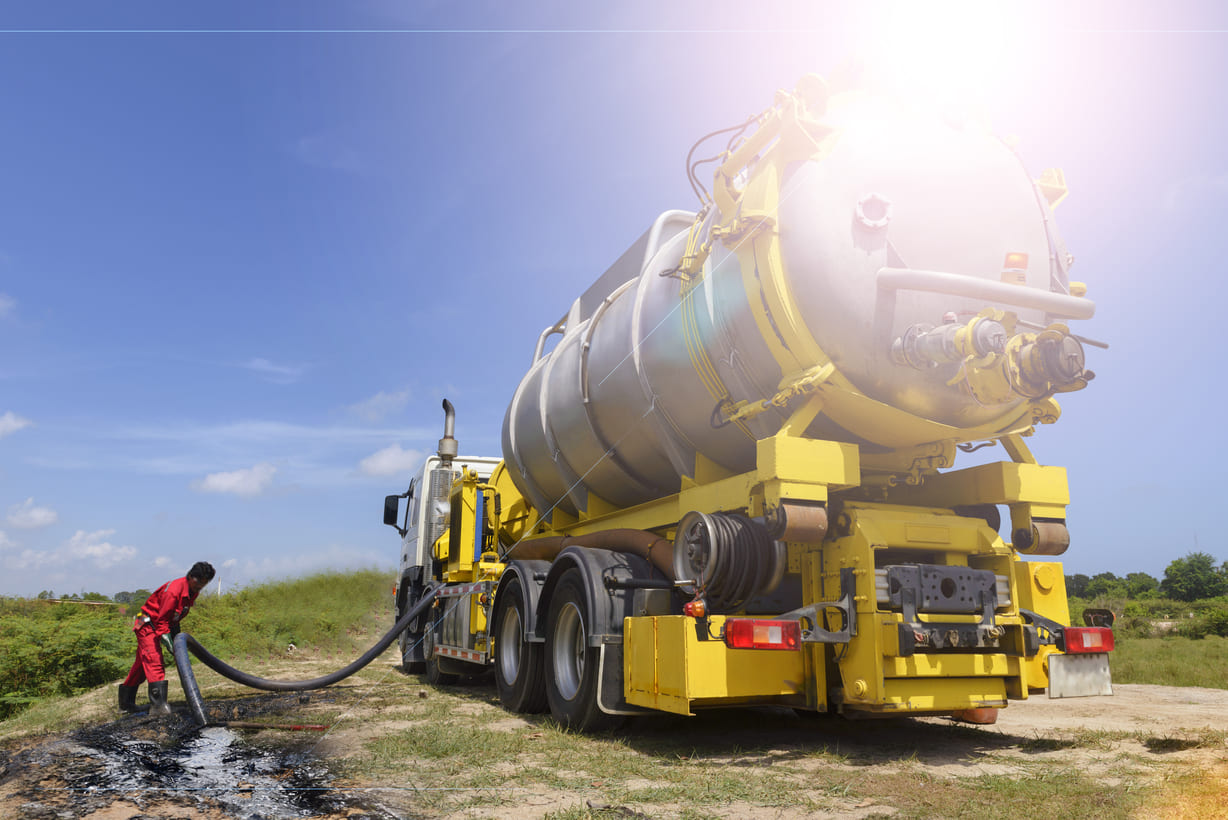
Boomer Environmental makes it easy with licensed, experienced professionals and 24/7 availability for routine or emergency response services for non-hazardous industrial wastewaters and sludges. Our wastewater treatment services ensure any wastewater treated or sludge collected is managed in accordance with regulatory and profiling requirements. We also provide vacuum truck wastewater collection services, as well as sampling and testing services to characterize waste for profiling requirements.
Whether you’re preparing for a regulatory inspection or trying to minimize your environmental impact (or both!), Boomer Environmental has the wastewater treatment technologies and expertise to help you treat wastewater the right way, from start to finish. Our offerings range from collection and transportation services to advanced technologies for wastewater, supporting compliant wastewater disposal and treatment, on your site or ours.
Sources:
- Environmental Protection Agency. Regulatory and Guidance Information by Topic: Water. https://www.epa.gov/regulatory-information-topic/regulatory-and-guidance-information-topic-wate
- SIGMADAF Clarifiers. All about dissolved air flotation systems – Answering FAQs. https://sigmadafclarifiers.com/en/preguntas-frecuentes-daf/#:~:text=Dissolved%20air%20flotation%20(DAF)%20is,particles%20to%20which%20they%20adhere.
- Wastewater Digest. What is Wastewater Treatment? https://www.wwdmag.com/wastewater-treatment/article/10938537/what-is-wastewater-treatment