How to Clean Up an Oil Spill: A Step-by-Step Guide
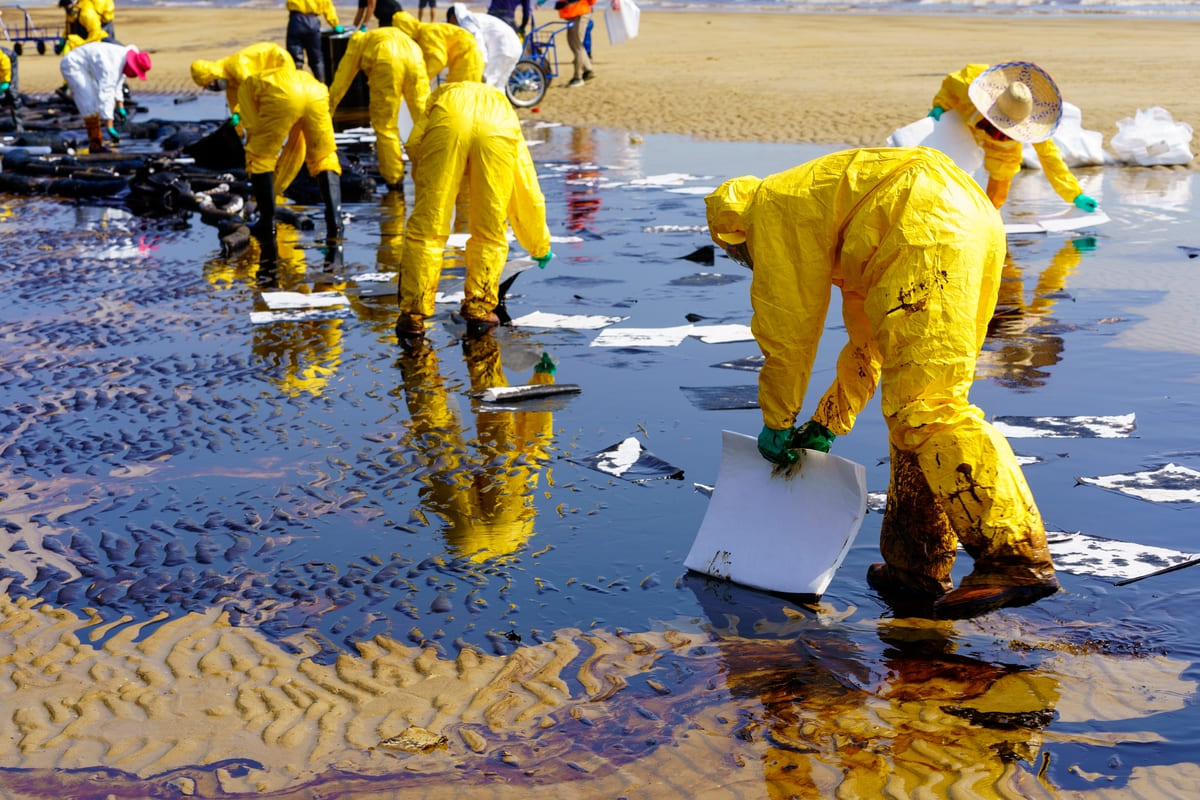
Oil spills can happen anywhere, from industrial facilities and manufacturing plants to construction sites, roadways, and waterways. Whether caused by a leaking tank, damaged equipment, vehicle accident, or transfer failure, even a relatively small spill can create significant safety, environmental, and regulatory concerns.
Oil can spread quickly, creating slip hazards, contaminating soil and water, increasing fire risks, and potentially triggering reporting requirements. A fast, organized response is essential. Knowing how to clean up oil spills properly helps protect workers, minimize environmental damage, and maintain compliance with applicable regulations.
This step-by-step guide outlines the key actions involved in safely containing, cleaning, and remediating an oil spill.
Step 1 – Prioritize Safety and Assess the Spill
Oil spills can create multiple hazards, including slippery surfaces, flammable vapors, and environmental contamination. Before any cleanup begins, focus on protecting people and securing the area.
Start by isolating the affected area and restricting access to authorized personnel. Then identify the type of oil involved and determine where the release originated. Understanding whether you’re dealing with fuel oil, hydraulic fluid, motor oil, or another petroleum product helps guide the appropriate response.
Assess the size of the spill and evaluate nearby risks by asking these questions:
- Is the oil moving toward a storm drain?
- Has it reached exposed soil?
- Is there a nearby waterway that could become impacted?
Answering these questions early helps prioritize containment efforts and reduces the chance of further contamination.
Safety Essentials
The following safety measures should always be followed before moving forward with cleanup efforts:
- Wear appropriate PPE: Equip all responders with the proper personal protective equipment (PPE), such as chemical-resistant gloves, safety goggles, and protective garments suited to the conditions.
- Eliminate ignition sources: Remove or shut down potential causes of fire and ensure adequate airflow in enclosed, confined, or low-lying spaces where vapors may accumulate.
- Keep non-essential personnel clear of the affected zone: Establish a secure perimeter around the spill and restrict access to trained personnel directly involved in the response.
By addressing these critical safety precautions first, responders can reduce immediate risks and create a controlled environment for effective spill containment and cleanup.
Step 2 – Stop the Source of the Spill
Once the area is secure, stop the release if it can be done safely. Depending on the situation, this may involve:
- Shutting off valves
- Stopping pumps
- Plugging leaks
- Isolating damaged equipment
Leaking drums or containers should be uprighted and stabilized whenever possible. In larger incidents, transferring product from a damaged tank or vessel into a secure container may be necessary. Taking swift action at this stage can significantly reduce the total volume released, making subsequent cleanup and remediation efforts more manageable.
Step 3 – Contain the Spill
The primary goal is to prevent oil from reaching drains, sewers, soil, waterways, and other sensitive areas. Containment measures should begin at the outer edge of the spill and move inward, stopping the spread before recovery operations begin. Industrial responders commonly use booms, berms, absorbent socks, and drain protection devices to control the affected area and keep contamination contained.
Containment Tools
Effective containment relies on using the right tools to control the spill and prevent it from spreading beyond the immediate area. Common containment methods include:
- Positioning absorbent booms and socks around the outer edges of the spill to create a barrier and keep the oil contained
- Constructing earthen barriers or sorbent berms to redirect or stop the flow of oil before it reaches drains, grates, or sensitive areas
- Shielding storm drains and catch basins with drain covers, plugs, or other protective devices to prevent contamination from entering the drainage system
When minutes matter, implementing these containment measures quickly can significantly reduce environmental damage and minimize the scope of cleanup and remediation efforts.
Step 4 – Remove and Recover the Oil
After containment is established, focus on removing and recovering the released product.
Small spills may be addressed using absorbent pads, pillows, or granular absorbents designed to soak up free oil. Larger industrial incidents often require specialized equipment to recover significant volumes efficiently.
Oil floating on water may be collected using skimmers, absorbent booms, and recovery systems. Throughout the process, crews should work methodically to capture as much product as possible before addressing residual contamination.
Cleanup Methods
Common recovery techniques include:
- Applying absorbent pads, granules, or other sorbent materials to capture pooled oil and residue from affected surfaces
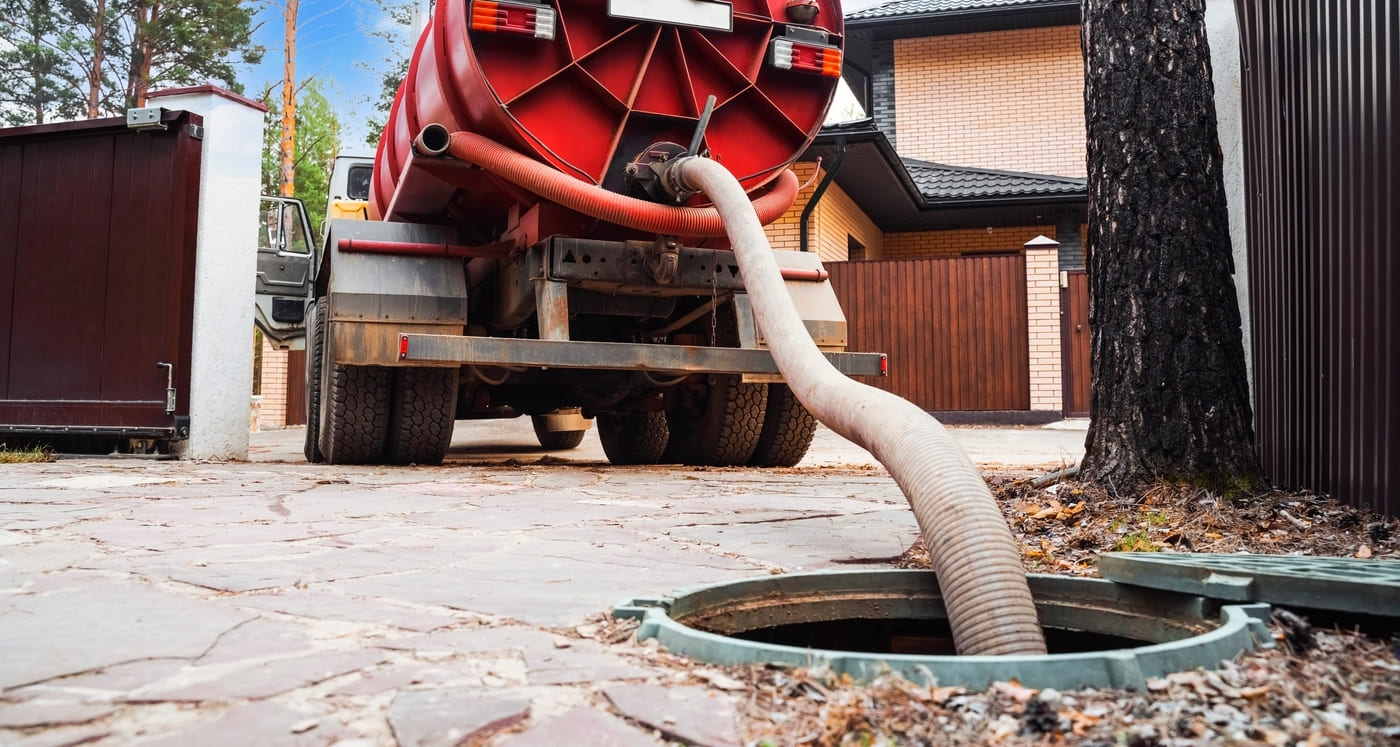
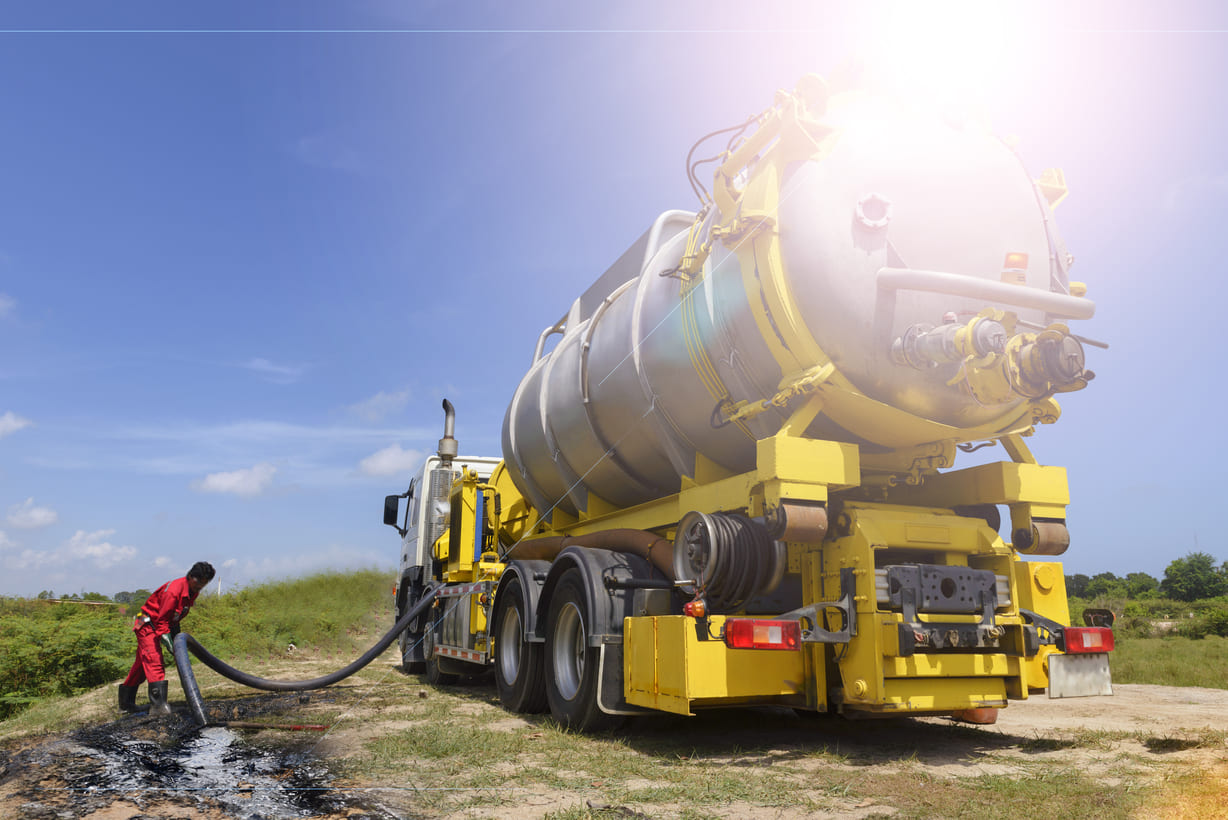
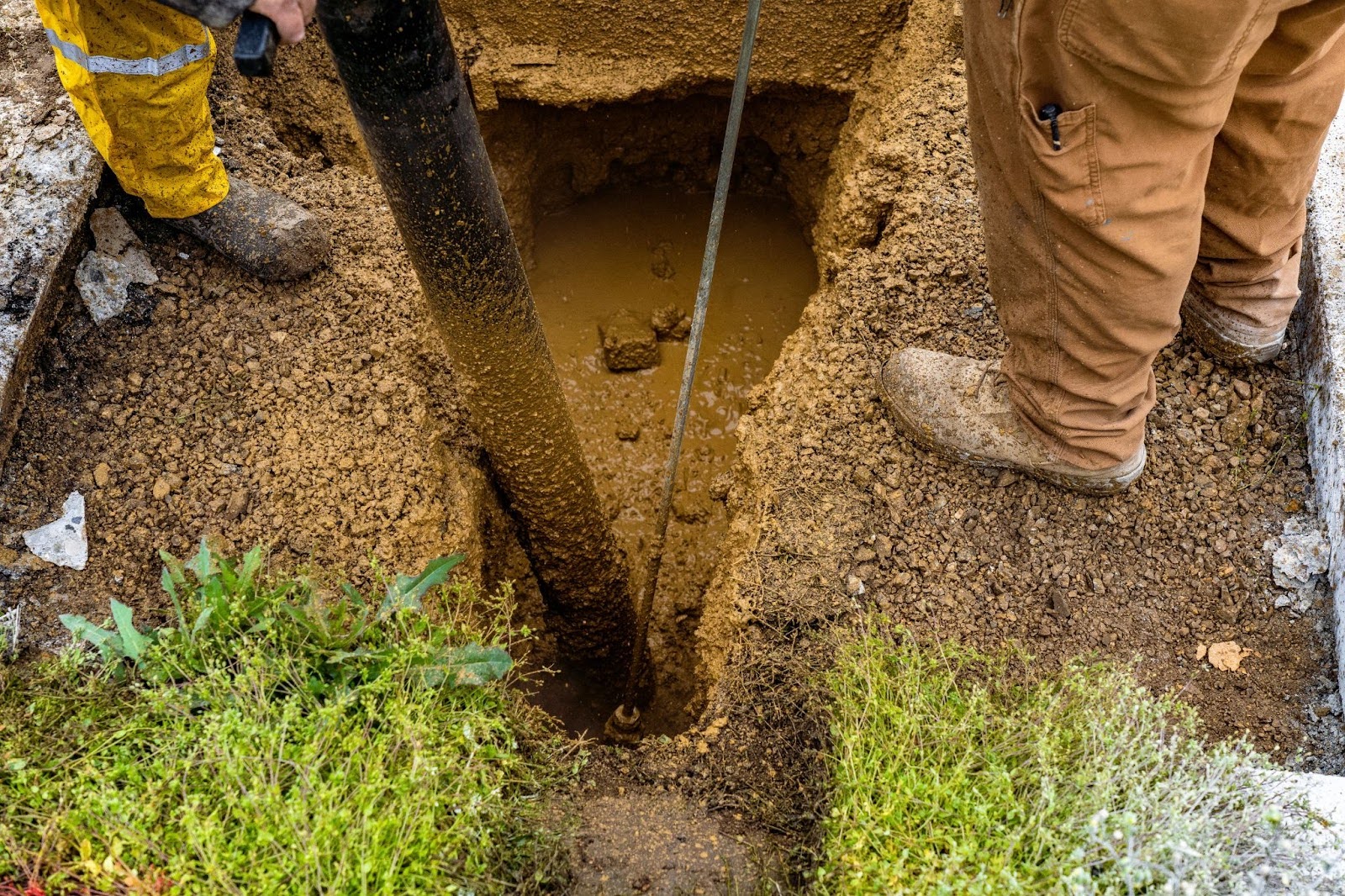
- Deploying vacuum trucks or hydro-excavation equipment to recover larger volumes of oil and contaminated liquids in industrial settings
- Removing saturated absorbents and debris by scraping, collecting, and packaging them for proper transportation and disposal
Professional response teams often deploy these specialized approaches to accelerate recovery while minimizing disruption to facility operations.
Step 5 – Remediate the Site and Dispose of Waste Properly
Cleaning up visible oil is only part of the process. Residual contamination can remain in soil, water, concrete, asphalt, and other surfaces long after the initial spill appears resolved.
This is where environmental remediation services become essential. Depending on site conditions, remediation may include soil excavation, contaminated water recovery, wastewater treatment, or ongoing monitoring to verify cleanup effectiveness.
Oil-soaked absorbents, contaminated soil, recovered product, and other waste materials may require handling as regulated waste. Proper characterization, storage, transportation, and disposal are necessary to maintain compliance and protect the environment.
Disposal and Compliance
To manage contaminated materials safely and responsibly:
- Place used absorbents, recovered waste, and contaminated debris in clearly labeled containers that are compatible with the materials being stored.
- Arrange for transportation and disposal through a licensed hazardous waste hauler and an approved disposal facility.
- Document the details of the spill response and submit notifications to the appropriate regulatory agencies when reporting thresholds or requirements are met.
Maintaining thorough records throughout the cleanup process helps demonstrate regulatory compliance, supports required reporting efforts, and provides valuable documentation for future audits or inspections.
Partner with a Trusted Oil Spill Cleanup Expert
Understanding how to clean up oil spills is important, but many incidents require professional support to ensure safe and compliant resolution. Larger releases, spills affecting waterways, and incidents involving contaminated soil often demand specialized equipment, trained personnel, and regulatory expertise.
Boomer Environmental provides 24/7 emergency response services throughout Oklahoma, Arkansas, and surrounding regions, including Texas, Kansas, and neighboring areas. Their licensed and experienced teams respond rapidly to oil spills, chemical releases, industrial accidents, severe weather damage, and other environmental emergencies.
Beyond emergency cleanup, Boomer’s environmental remediation services also support long-term site restoration. Their responsible waste management, wastewater recycling, oily water recovery, and other sustainable practices are designed to protect natural resources and communities.
Sources
- ScienceDirect. Comprehensive insights into the impact of oil pollution on the environment. https://www.sciencedirect.com/science/article/abs/pii/S235248552400149X.