What Is Industrial Wastewater? Types, Sources, and Treatment
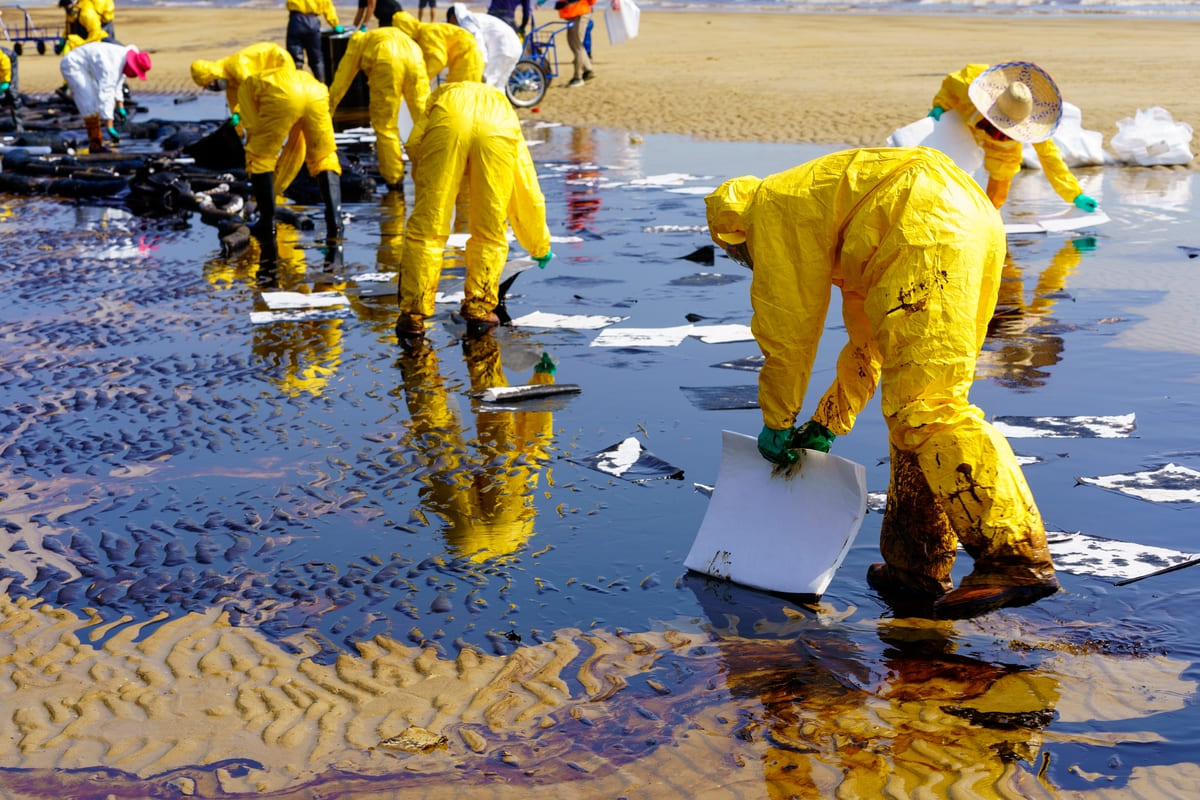
Industrial wastewater is a byproduct of manufacturing, processing, and production activities across countless industries. From oil and gas facilities to food processing plants, nearly every industrial operation generates wastewater that must be handled carefully to protect the environment.
When wastewater isn’t properly treated, the consequences can ripple far beyond a single facility. Untreated discharge may contaminate waterways, damage ecosystems, trigger regulatory violations, and create serious safety risks for surrounding communities. That’s why understanding what is industrial wastewater, where it comes from, and how it’s treated is essential for all industrial stakeholders.
What Is Industrial Wastewater
Industrial wastewater is water that has been contaminated through industrial or commercial activities. It’s generated during manufacturing, equipment cleaning, chemical processing, production operations, and material handling. Unlike municipal wastewater from homes and offices, industrial wastewater often contains higher concentrations of contaminants and requires specialized treatment before discharge or disposal.
The composition of industrial wastewater can vary dramatically depending on the industry and process involved. A food processing facility may generate wastewater rich in fats, oils, and organic material, while a metal fabrication plant may discharge water containing heavy metals, solvents, or suspended solids.
Common contaminants include:
- Oils and grease
- Chemicals and solvents
- Heavy metals
- Sediment and suspended solids
- Organic waste
- Hydrocarbons
- Acids and alkaline compounds
Facilities that fail to properly manage wastewater risk environmental damage, operational shutdowns, costly penalties, and increased liability exposure.
Key Characteristics of Industrial Wastewater
Industrial wastewater is typically evaluated based on the following characteristics:
- Physical properties: These may include temperature, color, odor, turbidity, and solids content. Elevated temperatures or excessive suspended solids can interfere with downstream treatment systems and municipal infrastructure.
- Chemical indicators: These help determine contamination levels and treatment requirements. Common measurements include pH, biochemical oxygen demand (BOD), chemical oxygen demand (COD), dissolved metals, and nutrient concentrations.
- Biological contaminants: Bacteria and organic matter can also influence treatment methods. Some wastewater streams require advanced biological treatment to safely reduce contaminants before discharge or reuse.
These characteristics can vary significantly depending on the operation, which is why industrial wastewater is typically categorized into several distinct types based on the contaminants it contains.
Common Types of Industrial Wastewater
Industrial operations generate several distinct wastewater streams, each requiring a different management approach:
- Process wastewater: This water often comes into contact with raw materials, chemicals, or finished products during operations directly tied to manufacturing and production activities like mining.
- Cooling water: This is used to regulate machinery and equipment temperatures. While it may appear relatively clean, cooling water can still contain treatment chemicals, scale, or thermal pollution concerns.
- Sanitary wastewater: This comes from employee restrooms, kitchens, locker rooms, break areas. Similar to municipal and medical sewage, it requires compliant handling within industrial facilities.
- Stormwater runoff: Rainwater flowing across industrial yards, loading docks, or storage areas can collect oils, chemicals, sediment, and debris before entering nearby waterways.
Major Sources of Industrial Wastewater
Industrial wastewater originates from a wide range of sectors and operational activities.
- Manufacturing: These facilities generate wastewater through metal finishing, chemical production, textile processing, parts washing, and equipment cleaning. These operations often produce wastewater containing a mix of metals, oils, dyes, and chemical residues.
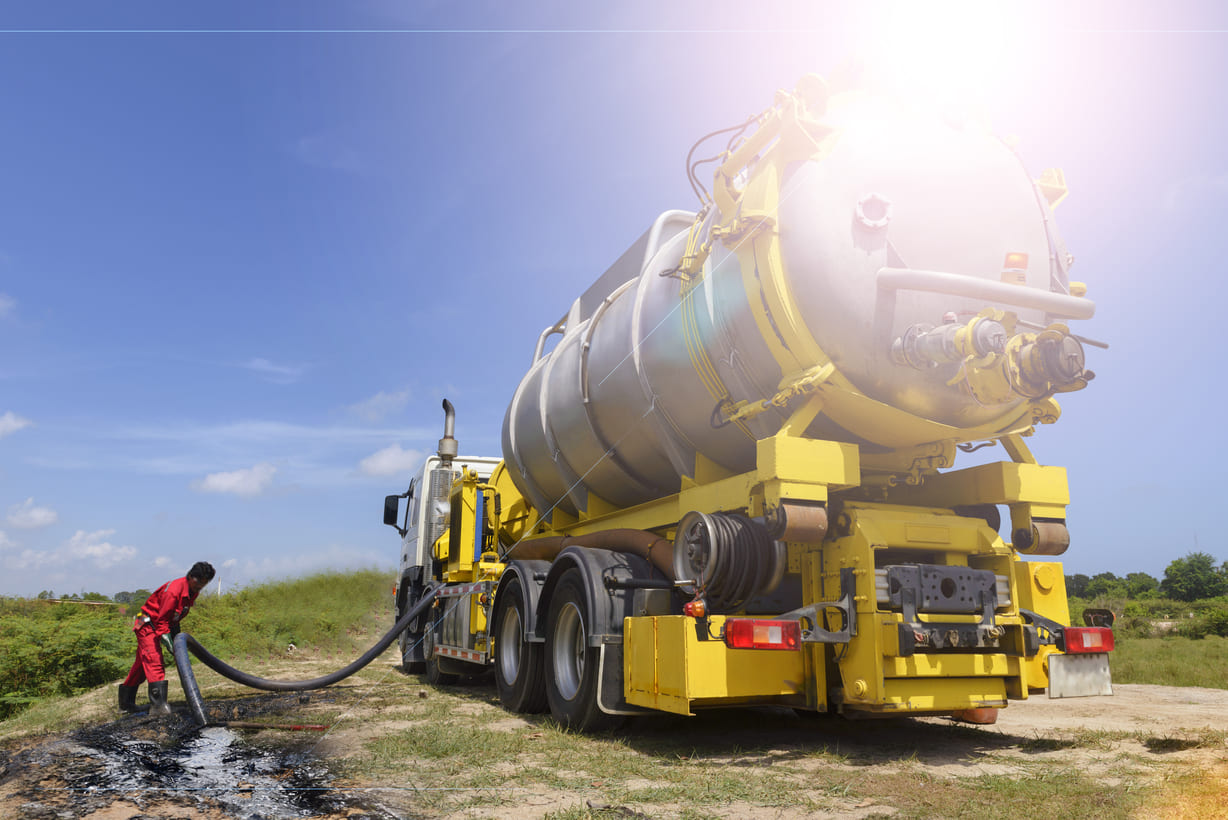
- Oil and gas: These operations often generate hydrocarbon-heavy produced water containing drilling fluids, salts, and chemical residues. These streams require robust separation and treatment processes before transport or disposal.
- Food and beverage: These facilities typically produce wastewater high in organic matter, fats, sugars, and suspended solids. Without proper treatment, these discharges can overwhelm municipal systems and increase environmental risk.
- Chemical and pharmaceutical: These plants may discharge complex mixtures of solvents, acids, reactive compounds, and hazardous contaminants that require advanced handling and treatment protocols.
Other major contributors include power generation, agricultural processing, automotive, public sector, and defense operations.
Why Source Identification Matters
Knowing where wastewater originates is critical because treatment methods depend heavily on the contaminants present. Accurate source identification helps facilities choose the right treatment systems, avoid cross-contamination, and maintain compliance with OSHA, EPA, and local discharge regulations. It also improves reporting accuracy and reduces the likelihood of costly violations or environmental incidents.
Perhaps most importantly, understanding the source can lower long-term treatment and disposal costs. Tailored treatment strategies help facilities minimize waste volume, improve recycling opportunities, and reduce operational downtime.
How Industrial Wastewater Is Treated
Industrial wastewater treatment typically involves multiple stages designed to remove contaminants safely and efficiently:
- Primary treatment: This focuses on removing solids and separating oils or grease. Processes may include screening, settling, skimming, and physical separation methods.
- Secondary treatment: This uses biological processes to break down organic contaminants. Beneficial microorganisms help reduce BOD and other biodegradable materials commonly found in industrial effluent.
- Tertiary treatment: This provides advanced polishing and contaminant removal. This stage may include filtration, disinfection, membrane systems, or chemical treatment to meet strict discharge requirements.
Some facilities also require specialized treatment for contaminants such as heavy metals, PFAS, hydrocarbons, or hazardous chemicals. In these cases, experienced providers use customized systems and advanced equipment to ensure compliant handling and disposal.
On-Site vs. Off-Site Treatment
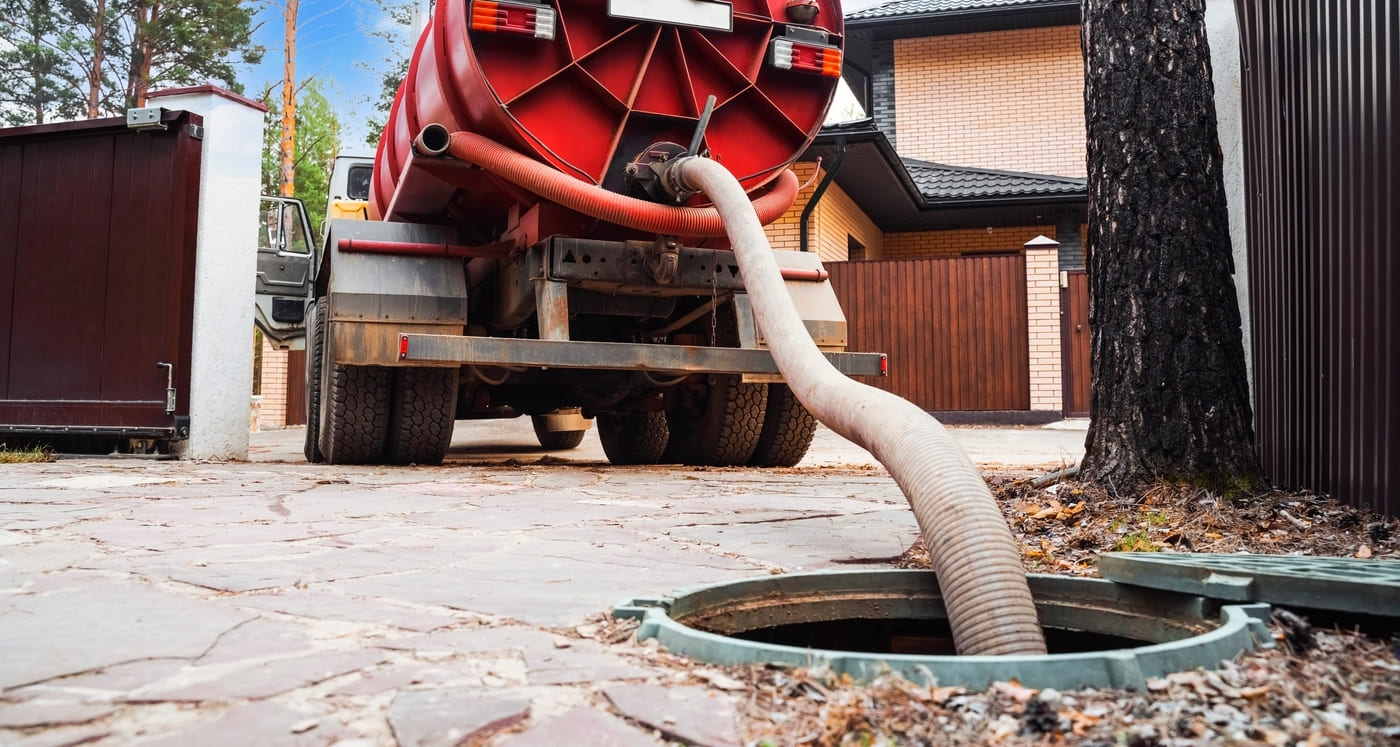
Some facilities operate in-house treatment systems, while others rely on third-party wastewater treatment services and waste disposal services for transportation, treatment, and disposal support. Here’s how they differ:
- On-site systems: These can provide operational control and reduce transportation needs, but they also require ongoing maintenance, monitoring, staffing, and compliance management.
- Off-site treatment: These may be more practical for facilities with fluctuating waste streams, limited infrastructure, or complex hazardous materials. In many cases, pretreatment is required before wastewater can be discharged into municipal systems.
Choosing the right approach depends on operational demands, regulatory requirements, treatment complexity, and long-term cost considerations.
Partner with an Industrial Wastewater Expert at Boomer Environmental
Working with experienced professionals helps facilities identify contaminants, select effective treatment methods, and manage wastewater safely from assessment through final disposal. The right partner can improve operational efficiency without disrupting your production schedules.
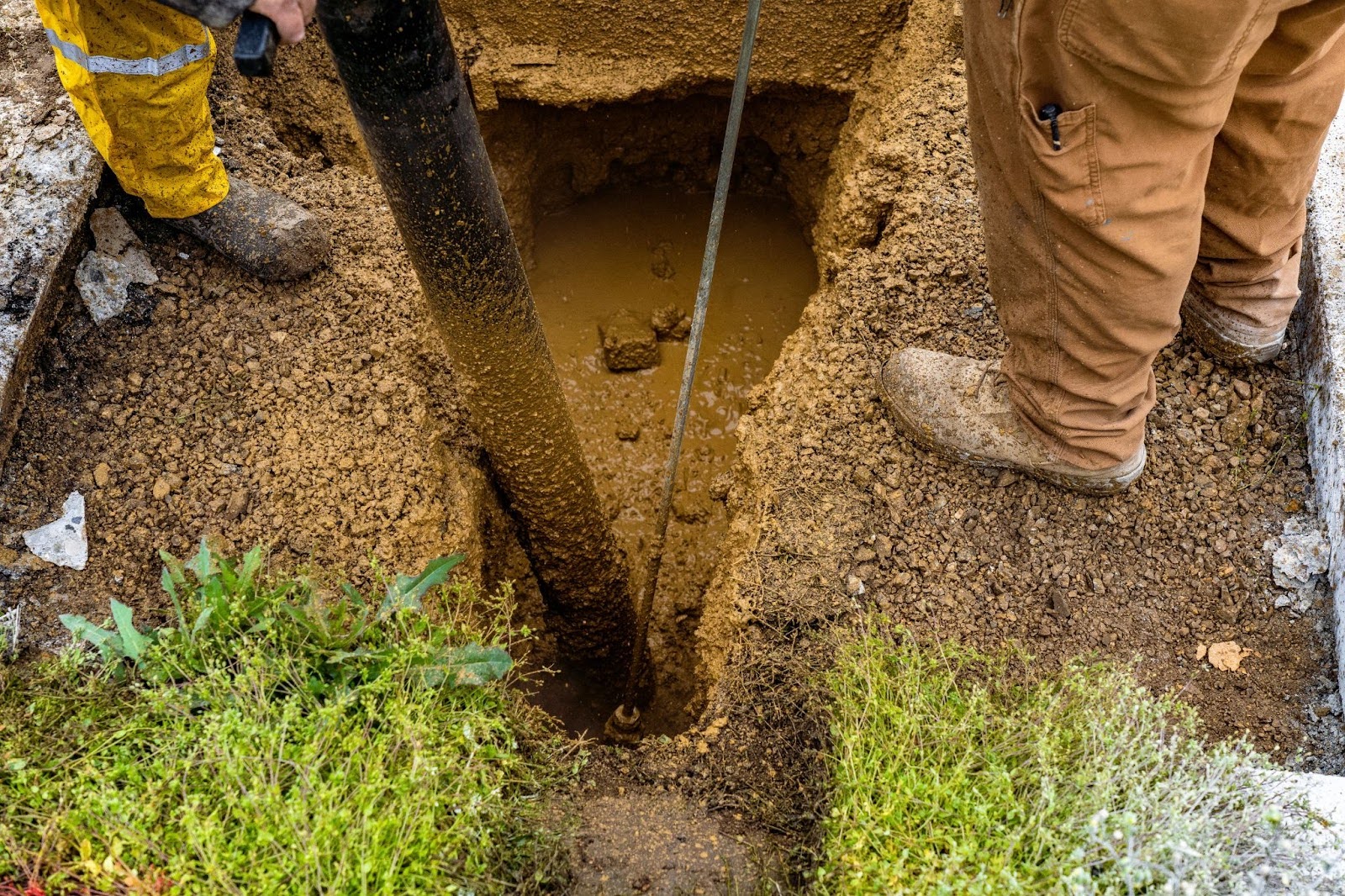
Boomer Environmental provides industrial wastewater treatment, transportation, and disposal support for facilities across Oklahoma, Arkansas, Texas, Kansas, and surrounding regions. Our licensed teams use specialized equipment, including industrial vacuums, hydroblasting, hydro-excavation, and advanced recovery systems to manage complex industrial waste streams safely and efficiently.
From routine wastewater handling to hazardous incidents requiring 24/7 emergency response services, Boomer Environmental delivers practical, compliance-focused solutions designed to protect employees, facilities, and the environment.
Sources:
- ScienceDirect. Industrial Wastewater. https://www.sciencedirect.com/topics/earth-and-planetary-sciences/industrial-wastewater.
- ScienceDirect. Chemical profiling of industry wastewaters to identify industry sources of contaminants. https://www.sciencedirect.com/science/article/pii/S0043135426002587.
- The Islamic University of Gaza- Civil Engineering Department. Physical, chemical and biological Characteristics of Wastewater. https://kh.aquaenergyexpo.com/wp-content/uploads/2022/12/Unit1-Physical-Chemical-and-Biological-Characteristics-of-Wastewater.pdf.
- North Hudson Sewerage Authority. The Spectrum of Wastewater: A Comprehensive Look into Different Types and their Origins. https://www.nhudsonsa.com/education/types-of-wastewater.
- Eco-Septic. What Are The Sources Of Wastewater? https://ecoseptic.com.au/what-are-the-sources-of-wastewater/.
- PubMed Central. Comprehensive review of industrial wastewater treatment techniques. https://pmc.ncbi.nlm.nih.gov/articles/PMC11374848/.
Sources
- MDPI. A Review of Persistent Soil Contaminants: Assessment and Remediation Strategies. https://www.mdpi.com/2076-3298/12/7/229.
- MDPI. Fertility Deterioration in a Remediated Petroleum-Contaminated Soil. https://www.mdpi.com/1660-4601/17/2/382.
- Science Direct. Assessment of the health of soils polluted by municipal solid waste landfill. https://www.sciencedirect.com/science/article/pii/S2772416625000555.
- Taylor & Francis Online. Effects of Illegal Waste Disposal on Selected Soil Chemical Properties and Elemental Concentrations in Mthatha, South Africa. https://www.tandfonline.com/doi/full/10.1080/15275922.2025.2578487.