Hazardous vs. Non-Hazardous Waste: How to Distinguish the Two
Properly identifying waste is a critical step in protecting people, operations, and the environment. When it comes to the difference between hazardous vs non hazardous waste, the distinction determines how materials are handled, transported, and disposed of. Misclassification can lead to safety incidents, regulatory penalties, and long-term environmental damage.
At its core, hazardous waste includes materials that pose significant risk to human health or the environment, while non-hazardous waste does not present immediate danger under normal conditions. But in practice, the line between hazardous and non-hazardous waste isn’t always obvious. That’s why accurate classification of industrial waste and the right handling strategy matter.
What Qualifies as Hazardous Waste
Hazardous waste is defined by its potential to cause harm. Waste is hazardous when it can threaten human health, damage ecosystems, and create unsafe working conditions if not managed correctly. Regulatory agencies classify hazardous waste based on specific characteristics:
- Ignitability: Easily flammable materials, such as certain solvents or fuels
- Corrosivity: Substances that can corrode metals or cause chemical burns
- Reactivity: Materials that may explode or react violently under certain conditions
- Toxicity: Waste that is harmful or fatal when ingested or absorbed
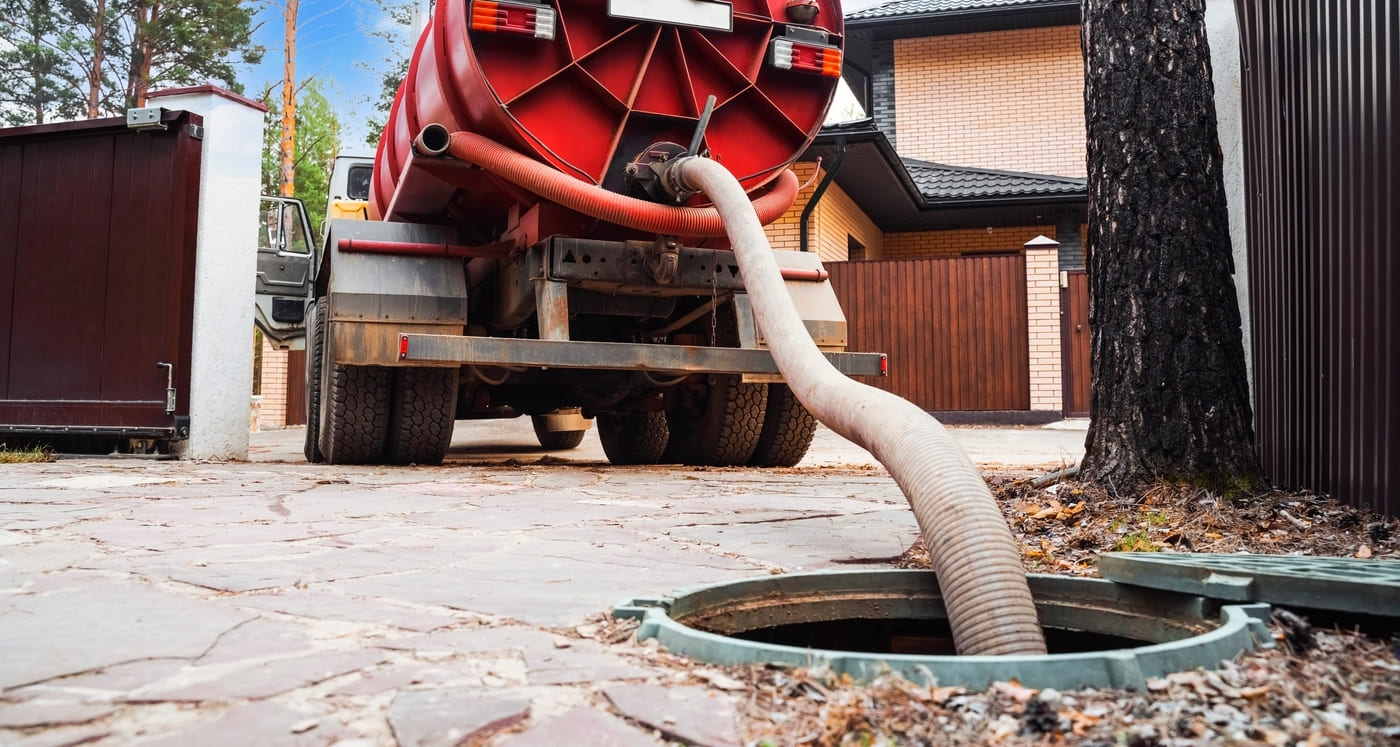
Common examples of hazardous waste include industrial solvents, pesticides, lead-acid batteries, and chemical byproducts from manufacturing processes. These materials require strict handling protocols and specialized waste disposal services to ensure compliance and safety.
Key Identification Factors
Determining whether a material is hazardous involves more than a quick visual check. It requires a structured evaluation:
- Chemical composition and concentration: Even small changes in formulation can alter classification.
- Regulatory listings: Federal and state agencies maintain lists of known hazardous materials.
- Safety Data Sheets (SDS): Provide detailed handling, storage, and hazard information.
- Behavior under conditions: How the material reacts to heat, pressure, or mixing with other substances.
This level of assessment helps ensure that waste is managed appropriately from the moment it’s generated through proper disposal.
What Qualifies as Non-Hazardous Waste
Non-hazardous waste includes materials that don’t pose immediate or significant threats to health or the environment. These are typically everyday waste streams such as:
- Food waste
- Paper and cardboard
- Plastics
- Certain construction debris
However, “non-hazardous” doesn’t mean “risk-free.” Improper handling can still lead to environmental issues, especially when waste accumulates or enters sensitive ecosystems. Some materials are also classified as regulated non-hazardous waste, meaning they must follow specific handling and disposal requirements despite not being classified as hazardous.
Common Misconceptions of Hazardous vs Non Hazardous Waste
One of the biggest challenges in distinguishing between hazardous vs non hazardous waste is misunderstanding how conditions affect classification. Here are some important things to note:
- Contamination changes everything: Non-hazardous materials can become hazardous when mixed with chemicals or industrial residues.
- Volume matters: Large quantities of otherwise safe materials can disrupt ecosystems or overwhelm waste systems.
- Handling still requires expertise: Even non-hazardous waste benefits from structured processes and trained personnel.
In short, waste classification isn’t static. It also depends on context, condition, and composition.
Regulatory Guidelines and Classification Standards
Waste classification is governed by a combination of federal and state regulations, with the Environmental Protection Agency (EPA) establishing baseline criteria for hazardous waste identification. These standards ensure consistency in how waste is defined, documented, and managed.
Businesses are responsible for evaluating their waste streams and maintaining accurate records. This includes tracking generation, storage, transportation, and disposal activities. Failing to meet these requirements can result in significant penalties and operational disruptions.
Compliance Best Practices
Maintaining compliance requires discipline and consistency:
- Keep detailed records of all waste streams and disposal methods.
- Train staff to identify, label, and handle materials correctly.
- Conduct routine audits to ensure alignment with current regulations.
Organizations that take a proactive approach reduce risk and maintain smoother operations, especially in industries where waste generation is constant.
Risks of Improper Waste Classification
Misidentifying waste has real-world consequences. The classification process typically involves analytical testing, generator knowledge, and regulatory documentation. When this process is rushed or incomplete, the risks escalate quickly:
- Regulatory penalties: Fines, shutdowns, and legal action
- Environmental damage: Contamination of soil, groundwater, and air
- Safety hazards: Increased risk of exposure, fire, or chemical reactions
- Operational disruption: Cleanup efforts can halt production and increase costs
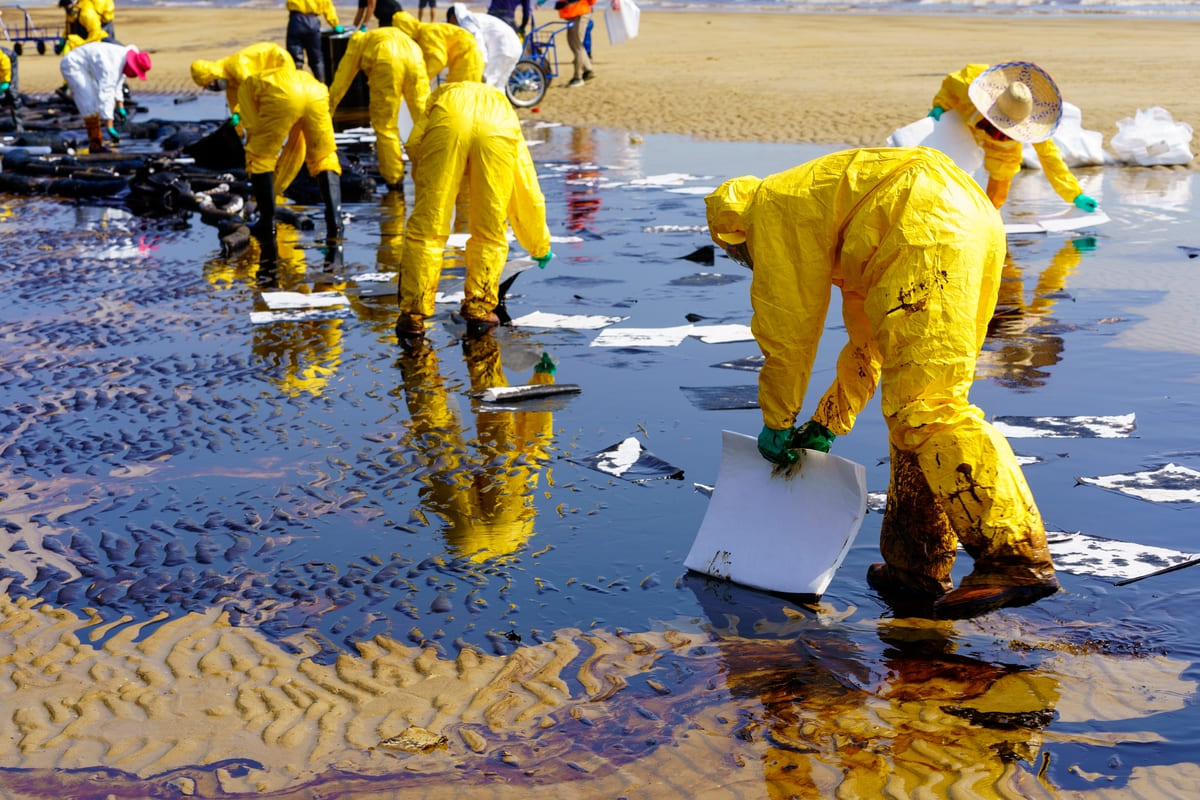
The effects of improper classification often extend far beyond the initial mistake. Contaminants can migrate through soil and water systems, affecting surrounding communities and natural resources. What starts as a minor oversight can evolve into a large-scale remediation effort.
Costs rise sharply when issues aren’t addressed early. Emergency cleanup, regulatory reporting, and long-term monitoring all add up. That’s why many organizations rely on environmental remediation services and 24/7 emergency response services when unexpected situations occur.
Partner with Boomer Environmental for Expert Waste Management
Accurate waste classification requires expertise, equipment, and a clear understanding of regulatory standards. Partnering with a qualified provider ensures that the difference between hazardous and non-hazardous materials are acknowledged for safe and efficient handling.
Boomer Environmental delivers practical solutions that keep operations running while maintaining full compliance. Serving Oklahoma, Arkansas, and surrounding regions like Texas and Kansas, our licensed teams are equipped to manage complex waste streams across industrial, manufacturing, automotive, and public sector environments.
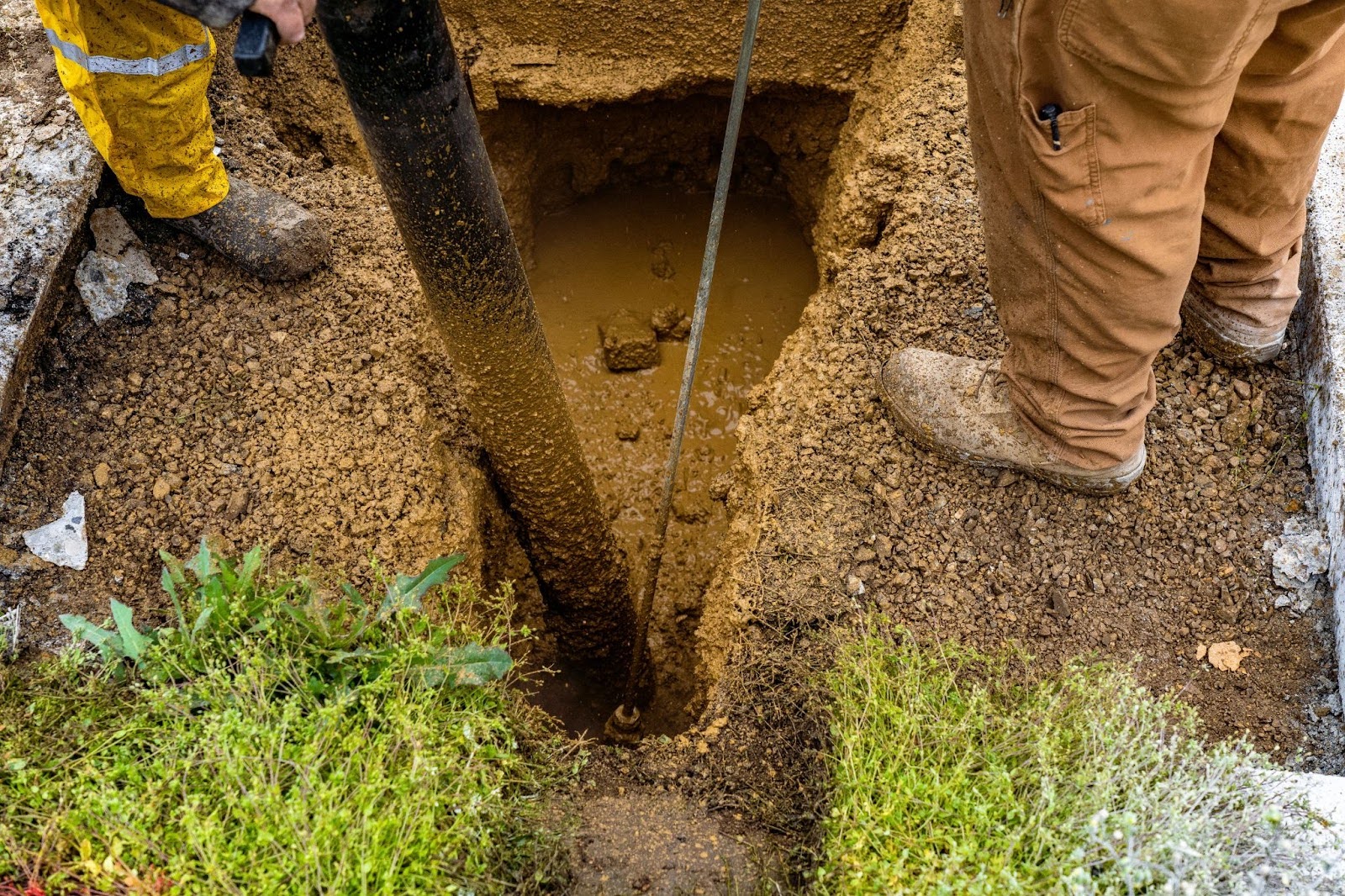
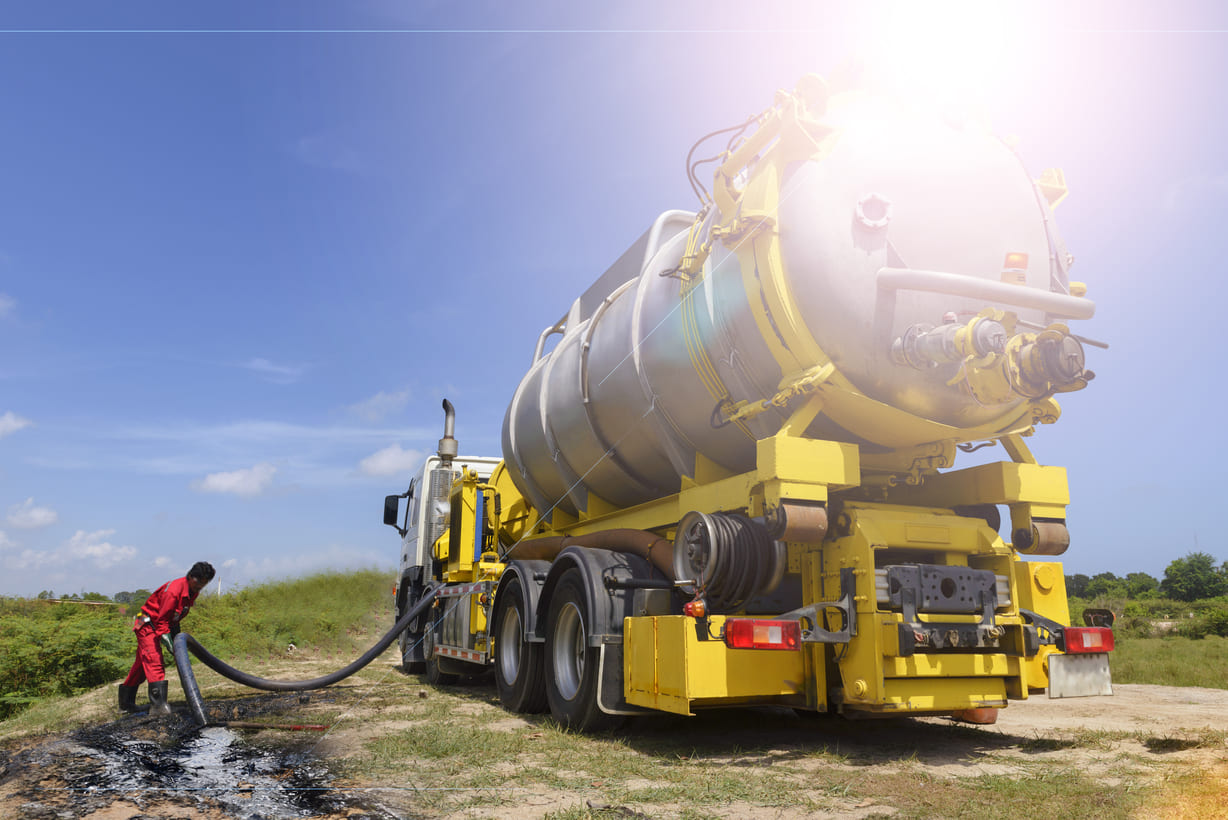
From initial assessment and containment to removal, cleanup, and final verification, Boomer provides end-to-end support for all types of waste. Their specialized equipment allows them to handle everything from routine waste management to emergency incidents such as chemical spills, oil releases, and severe weather damage.
And through responsible handling practices like wastewater recycling and oily water recovery, they reinforce a commitment to environmental stewardship. When it comes to managing hazardous vs non hazardous waste, the right partner makes all the difference. With dependable waste disposal and environmental remediation services, Boomer Environmental helps organizations reduce risk, maintain compliance, and protect their people, property, and the environment.
Sources
- Columbia University. EPA Hazardous Waste Characteristics. https://research.columbia.edu/sites/research.columbia.edu/files/content/EHS/Waste_Hazmat/EPAHazWasteCharacteristicsTable.pdf.
- ScienceDirect. Hazardous waste characterization implications of updating the toxicity characteristic list. https://www.sciencedirect.com/science/article/abs/pii/S0304389419311252.
- Occupational Safety and Health Administration. Appendix A to § 1910.119 – List of Highly Hazardous Chemicals, Toxics and Reactives (Mandatory). https://www.osha.gov/laws-regs/regulations/standardnumber/1910/1910.119AppA.
- United States Environmental Protection Agency. Criteria for the Definition of Solid Waste and Solid and Hazardous Waste Exclusions. https://www.epa.gov/hw/criteria-definition-solid-waste-and-solid-and-hazardous-waste-exclusions.