5 Causes of Soil Contamination to Avoid
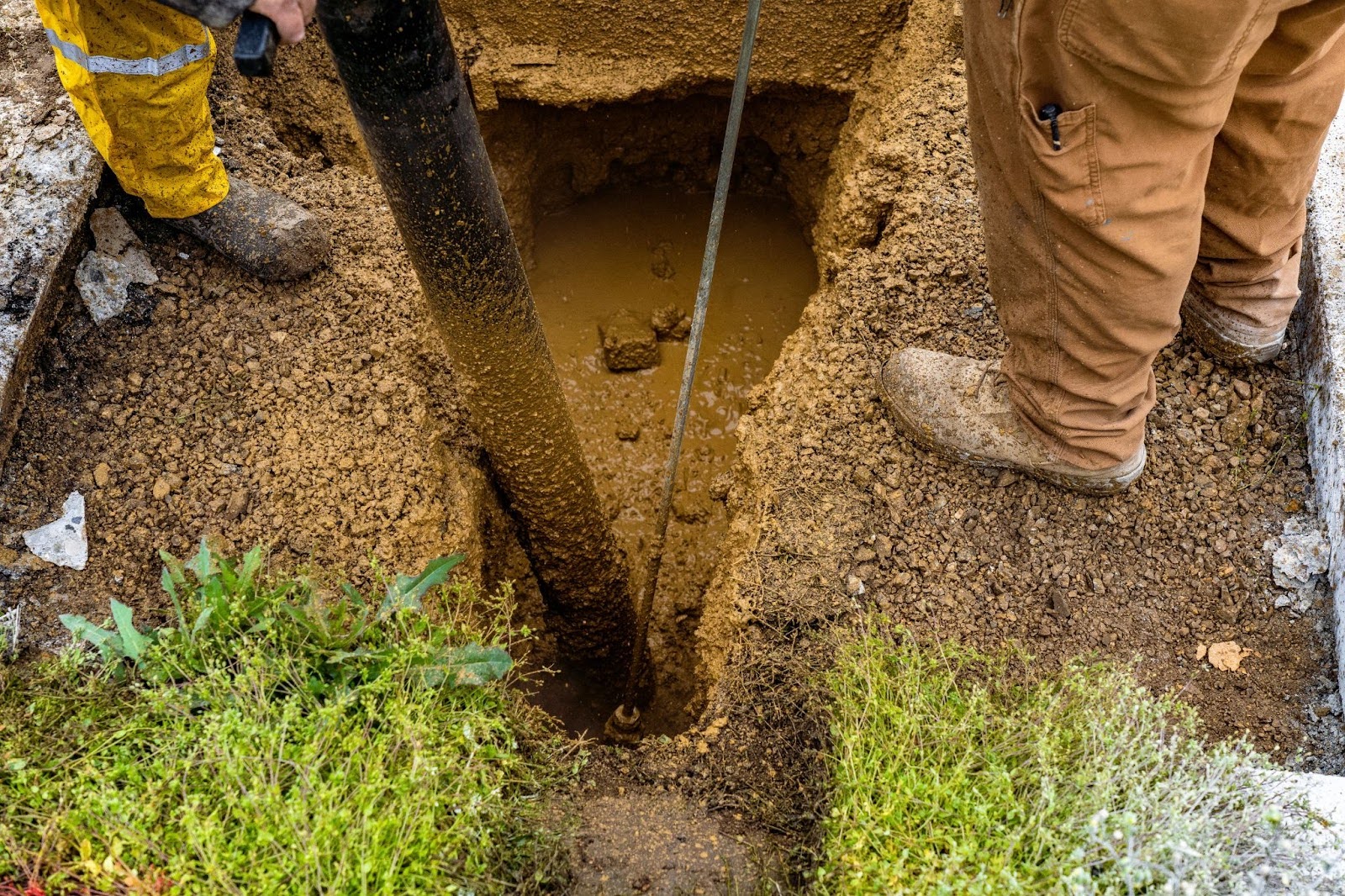
Soil is more than dirt beneath our boots; it’s the foundation of safe operations and long-term property value. When contamination occurs, the consequences can ripple outward quickly, ranging from regulatory penalties and operational downtime to environmental damage and costly remediation.
Below are five primary causes of soil contamination along with practical strategies to help prevent them.
#1 Industrial Waste and Chemical Spills
Industrial and manufacturing activities often involve the use of heavy metals, solvents, petroleum byproducts, and other hazardous substances. When improperly stored or handled, these materials can seep into the ground and persist for years. Even small, repeated spills can accumulate over time, creating long-term environmental and regulatory exposure to soil pollution.
Facilities that manage bulk chemicals, fuel systems, or process wastewater face elevated risks if containment systems fail or storage areas aren’t routinely inspected. Corroded drums, damaged piping, and inadequate secondary containment are common contributors.
Left unchecked, contaminants migrate through soil and may reach groundwater, triggering reporting requirements, cleanup mandates, and potential enforcement actions (e.g., operational limitations or fines). In short, poor containment can disrupt the ecosystem and your operations.
Prevention Strategies
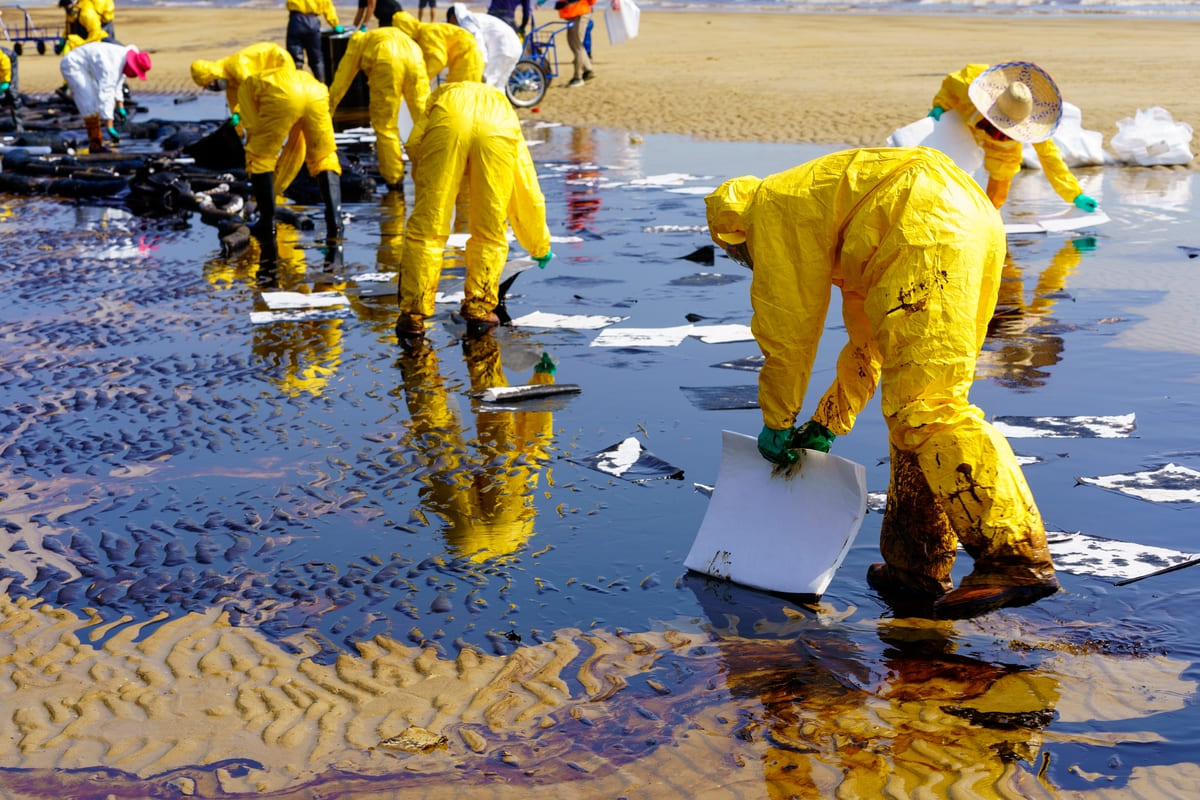
When a release occurs, rapid containment and professional remediation are critical to minimizing spread and protecting compliance status:
- Implement strict storage and labeling protocols for hazardous materials.
- Inspect tanks, drums, and containment systems on a regular schedule.
- Train employees on spill response and reporting procedures to ensure fast action.
#2 Agricultural Chemicals and Pesticides
Agricultural productivity depends on fertilizers and pest control, but excessive or improper application can degrade soil quality over time. Nitrates, phosphates, and pesticide residues accumulate in the soil profile, reducing fertility and increasing the risk of runoff into nearby properties or waterways. All of these endanger plant and human health.
In regions with heavy rainfall or irrigation, chemical runoff can travel beyond intended boundaries. What begins as a productivity boost can become an environmental liability if application rates exceed recommended levels. This long-term chemical buildup causes soil degradation, impacting crop yields, and increasing operational costs.
Prevention Strategies
Responsible land use practices protects both land productivity and regulatory compliance:
- Apply fertilizers and pesticides according to manufacturer and regulatory guidelines.
- Adopt integrated pest management practices to reduce reliance on chemical controls.
- Monitor soil health through routine testing to guide responsible application decisions.
Prevention Strategies
Proper waste management isn’t just about individual housekeeping. This collective responsibility protects groundwater, property value, and community safety:
- Follow all local, state, and federal waste disposal regulations.
- Use licensed carriers for hazardous waste removal.
- Conduct routine site assessments near disposal areas to identify potential concerns early.
#3 Leaking Underground Storage Tanks
Underground storage tanks (USTs) are widely used to store fuel and chemicals, particularly in industrial, automotive, and public sector facilities. Over time, aging tanks can corrode or develop structural weaknesses. Because they’re out of sight, leaks often go unnoticed until contamination has already spread.
Fuel releases can saturate surrounding soil and migrate toward groundwater. In many jurisdictions, tank owners are legally required to monitor, test, and maintain UST systems. Failure to do so can lead to regulatory enforcement, mandatory reporting, and costly remediation.
Prevention Strategies
Preventative maintenance is significantly more cost-effective than large-scale soil excavation and restoration after a release. We recommend the following strategies to ensure your USTs do not cause environmental harm:
- Perform regular tank testing and documented maintenance.
- Install leak detection systems to identify issues early.
- Replace outdated tanks before structural failure occurs.
#4 Urban Development and Construction Activities
Construction projects can unintentionally disturb previously contaminated soil, especially on redevelopment or brownfield sites. Excavation exposes buried contaminants, increasing the risk of airborne particles or surface spread.
Additionally, active job sites often store fuel, lubricants, and building materials. Without proper containment, spills and debris can introduce new pollutants into surrounding soil.
Without environmental due diligence, projects can inherit hidden liabilities.
Prevention Strategies
Proactive planning keeps projects on schedule while protecting workers and nearby communities:
- Conduct environmental site assessments before breaking ground.
- Implement erosion and sediment control measures.
- Enforce proper fuel and material handling procedures on site.
#5 Improper Waste Disposal
Illegal dumping and poorly managed disposal sites are among the most direct answers to the question of what causes soil contamination. Hazardous household chemicals, industrial debris, automotive fluids, and construction materials can introduce toxic compounds into surrounding soil.
Even regulated landfills can present risks if leachate management systems fail. Leachate, the liquid that drains through waste material, can carry heavy metals, organic pollutants, and chemical residues into the surrounding ground.
For municipalities and industrial property owners, the consequences extend beyond environmental harm. Noncompliance with federal and state waste regulations can result not only in contamination of soil, but also in significant penalties and reputational damage.
Partnering With a Trusted Soil Remediation Expert
Despite adherence to the preventative measures described above, soil contamination can occur. When it occurs, soil contamination doesn’t resolve itself. Left unaddressed, it expands physically, financially, and legally. With a dependable remediation partner, it can be managed decisively and responsibly, reducing the risks to human health and the environment.
Boomer Environmental (and its related brands) provides comprehensive environmental remediation services across Oklahoma, Arkansas, Texas, Kansas, and surrounding areas. Our trained teams follow a structured process–site assessment, containment, removal, cleanup, and verification—each and every time.
For urgent releases, our 24/7 emergency response services ensure rapid mobilization when minutes matter. We respond quickly to chemical spills, oil releases, severe weather damage, industrial and transportation accidents, and other environmental incidents. We also support sustainable practices, including wastewater recycling and responsible waste handling, to reduce environmental impact and safeguard community resources.
If you suspect soil contamination on your property, act promptly. Early intervention limits spread, reduces liability, and restores site safety, keeping your operations compliant and your community protected. Call Boomer Environmental today to learn more!
Sources
- MDPI. A Review of Persistent Soil Contaminants: Assessment and Remediation Strategies. https://www.mdpi.com/2076-3298/12/7/229.
- MDPI. Fertility Deterioration in a Remediated Petroleum-Contaminated Soil. https://www.mdpi.com/1660-4601/17/2/382.
- Science Direct. Assessment of the health of soils polluted by municipal solid waste landfill. https://www.sciencedirect.com/science/article/pii/S2772416625000555.
- Taylor & Francis Online. Effects of Illegal Waste Disposal on Selected Soil Chemical Properties and Elemental Concentrations in Mthatha, South Africa. https://www.tandfonline.com/doi/full/10.1080/15275922.2025.2578487.