Why Wastewater Treatment is Important for the Environment
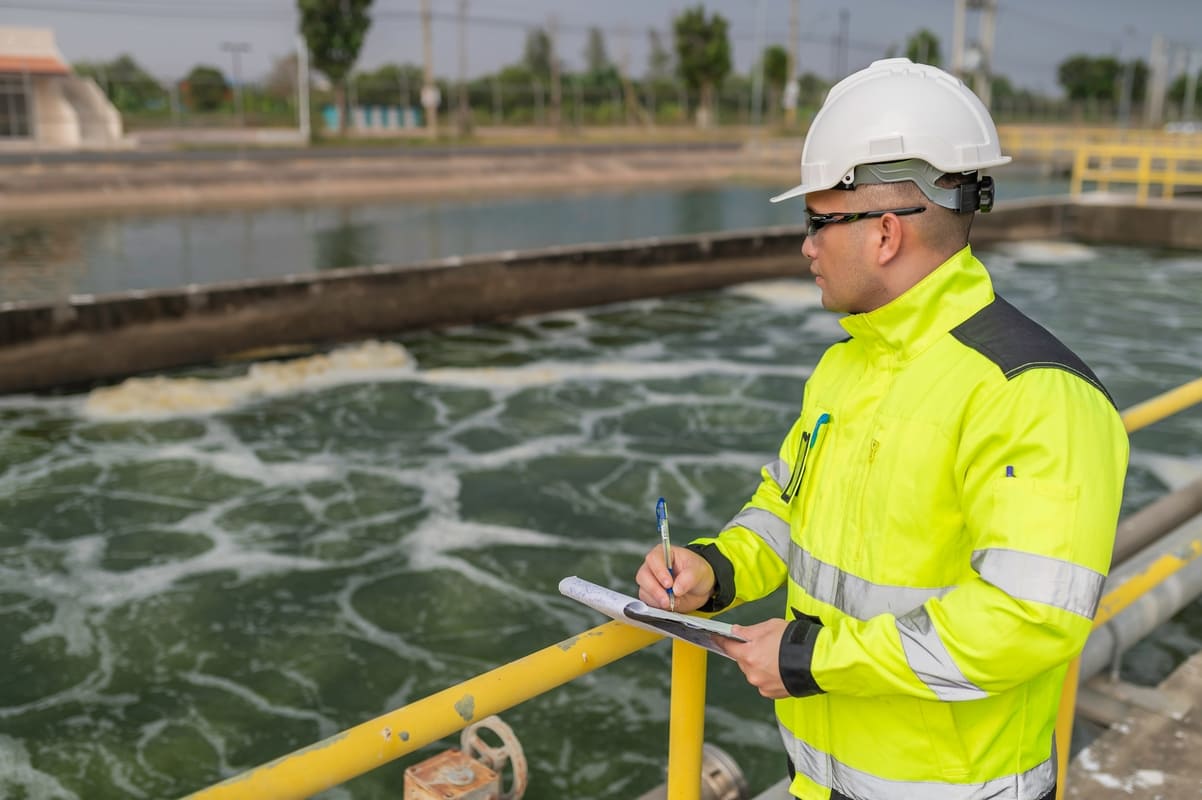
Wastewater refers to any used water from commercial, industrial, or residential sources. This used water typically contains contaminants—such as solid waste, oils, other chemicals and compounds, and other difficult-to-manage impurities that must be treated before the water is discharged.
Wastewater treatment not only prevents environmental contamination, but it’s also required by law in most jurisdictions. This is why wastewater treatment is so important. So, by outsourcing your discharge treatment, you can ensure compliance, avoid hefty fines, and save money on costly equipment.
Learn about wastewater, how regulations promote environmental health, and who to trust with your treatment to keep your business’s discharge—and compliance record—clean.
What Is Wastewater Treatment Exactly?
Wastewater treatment involves removing contaminants, including:
- Solid waste, like dirt, production byproducts, and sludge
- Oils, such as those from machinery, cooking, or other sources
- Harmful chemicals that can cause environmental damage
- Other contaminants
After initial treatment at commercial and industrial facilities, water is either discharged or sent to a treatment facility for further processing. The latter is where companies like Boomer Environmental come in.
Pretreatment before Publicly Owned Treatment Works (POTW) is a complex process that can involve:
- Separation of solids and liquids
- Filtration of fine particulate
- Clarification of cloudy or murky water
- Chemical treatments to remove oils and other waste
The exact steps depend on the nature of the materials present in the wastewater. That’s why it’s better to leave the treatment process to professionals, like those at Boomer Environmental, who can effectively assess and process your water to avoid potential environmental contamination.
Why Wastewater Treatment Is Important for the Environment
Pretreating wastewater prevents pollutants, oils, and solid waste from entering our natural water systems. Untreated wastewater contains a variety of contaminants, including chemicals like:
- Arsenic
- Asbestos
- Benzenes
- Chloroform
- Cyanide
- Mercury
- Lead
Certain treatment plants have the ability to filter these contaminants out of wastewater, but would quickly become overwhelmed without local pretreatment. Pretreatment preserves water quality, supports sustainable water cycles, and reduces the strain on your area’s freshwater resources.
Removing oils and solids at an early stage also protects local environments and public infrastructure. Complying with pretreatment standards likewise shields your company from breaking Environmental Protection Agency (EPA) regulations and incurring fines, which can reach up to $100,000 per day,depending on the nature of the violation, standards that also guide responsible public sector environmental services practices.
The Role of Businesses and Industrial Facilities
Commercial and industrial facilities generally produce more wastewater than residences. Oftentimes, their wastewater also contains harmful materials that require more processing than local POTWs offer.
This is why commercial and industrial facilities must pretreat their wastewater while residences are free to discharge it directly to local POTWs. To comply with local and EPA regulations, commercial and industrial facilities must:
- Pretreat their wastewater, including chemical conditioning and oil removal
- Transport wastewater in a safe, contained way that prevents groundwater, waterway, and soil contamination
- Dispose of their wastewater in an approved manner—whether that’s discharging after proper treatment or sending it downstream to POTWs
In many cases, the handling and discharge of your wastewater may be restricted to licensed environmental professionals, especially if your facility deals with hazardous materials.
Boomer Environmental has over 20 years of experience in wastewater management, including processing solids, oils, sludge, and other hard-to-treat contaminants. Facilities without municipal water connections or sufficient treatment systems need specialized, portable equipment brought on-site to treat their wastewater. Even facilities with POTW connections must pretreat their wastewater before discharge—and, oftentimes, they don’t have the capacity to meet processing regulations.
Boomer Environmental specializes in industry-compliant, environmentally protective wastewater processing. Leave your treatment to the professionals to protect your company from penalties and save our waterways from contamination.
The Environmental Impact of Untreated Wastewater
Discharging contaminated water without proper treatment can result in a number of issues.
Water Pollution and Ecosystem Strain
Untreated wastewater can make its way into our rivers, lakes, and oceans, causing:
- Habitat destruction for fish and other aquatic animals
- Harmful algal blooms
- Microplastic pollution
- Contamination of our food sources
Improper pretreatment also complicates processing at downstream POTWs, as they may only be designed for specific kinds (or certain amounts) of contamination.
Soil and Groundwater Contamination
Oils, metals, and other suspended solids can leech into soil or groundwater before they reach surface waterways. Farmers often rely on this unseen groundwater for irrigation, meaning polluted water can make its way into crops. This reduces agricultural quality and output, as farmers have to remediate contaminated plants or find new irrigation sources.
Regulatory and Community Risks
Defying wastewater regulations exposes your business to regulatory penalties. The EPA can fine violators for:
- Discharging untreated wastewater into water or wetlands
- Discharging oil or other hazardous substances
- Failing to report the discharge of hazardous substances
- Discharging improperly treated wastewater to a POTW
- Tampering with monitoring equipment
- Other, similar acts
Improper wastewater treatment also harms your business’s image while increasing the processing burden on POTWs.
Broader Benefits of Wastewater Treatment
Properly treating your discharged wastewater can help your business in more ways than one.
Cost Savings and Compliance
Outsourcing wastewater pretreatment saves businesses from costly equipment purchases and repairs. It also prevents regulatory non-compliance, shielding owners from EPA fines.
Working with treatment professionals likewise streamlines wastewater management and facilitates quick, accurate regulatory documentation.
Supporting Sustainable Operations
Pretreatment makes wastewater processing more sustainable by:
- Reducing waste volumes
- Producing cleaner discharge
- Enforcing corporate responsibility
Beyond keeping businesses compliant, wastewater pretreatment also leads to a cleaner, more sustainable environment for everyone. Pure water is the essence of community health, and the more we treat wastewater before it’s reintroduced into our water supply, the cleaner the flow from our taps.
Efficiency and Reliability
Outsourcing wastewater treatment to qualified teams offers safer, more consistent, and quicker results. Treating wastewater on your own is complex and often requires special National Pollutant Discharge Elimination System (NPDES) permits. Failure to properly process your discharge can result in:
- Environmental contamination
- Fines
- Increased operational downtime
Certified wastewater processors understand permitting and proper discharge. They allow you to get back to work with minimal interruptions and no penalties—no matter the size or scope of your facility.
Simplify Compliant, Green Wastewater Processing with Boomer Environmental
Forward-thinking, environmentally-conscious businesses understand why wastewater treatment is important. It not only prevents contamination of our soil and waterways, but it also keeps companies compliant with EPA and local regulations. Ultimately, sticking to these guidelines promotes sustainability while saving your business from hefty regulatory penalties.
Don’t wait until you have an incident or receive a fine—optimize your wastewater processing today with Boomer Environmental’s professional pretreatment and transport services. No matter your facility, contaminant, or POTW connection, Boomer Environmental can help your business stay compliant, reduce costs, and ensure safe, sustainable water management.
Sources:
- The National Archives and Records Administration.§ 401.15 Toxic pollutants. https://www.ecfr.gov/current/title-40/chapter-I/subchapter-N/part-401/section-401.15.
- United States Environmental Protection Agency. Criminal Provisions of Water Pollution. https://www.epa.gov/enforcement/criminal-provisions-water-pollution.
- Seaside Sustainability. Beyond the Drain: The Hidden Impact of Water Treatment on Ocean Health. https://www.seasidesustainability.org/post/beyond-the-drain-the-hidden-impact-of-water-treatment-on-ocean-health.
- United States Environmental Protection Agency. NPDES Permit Basics. https://www.epa.gov/npdes/npdes-permit-basics.