What is Hydro-Excavation & Do You Need It?
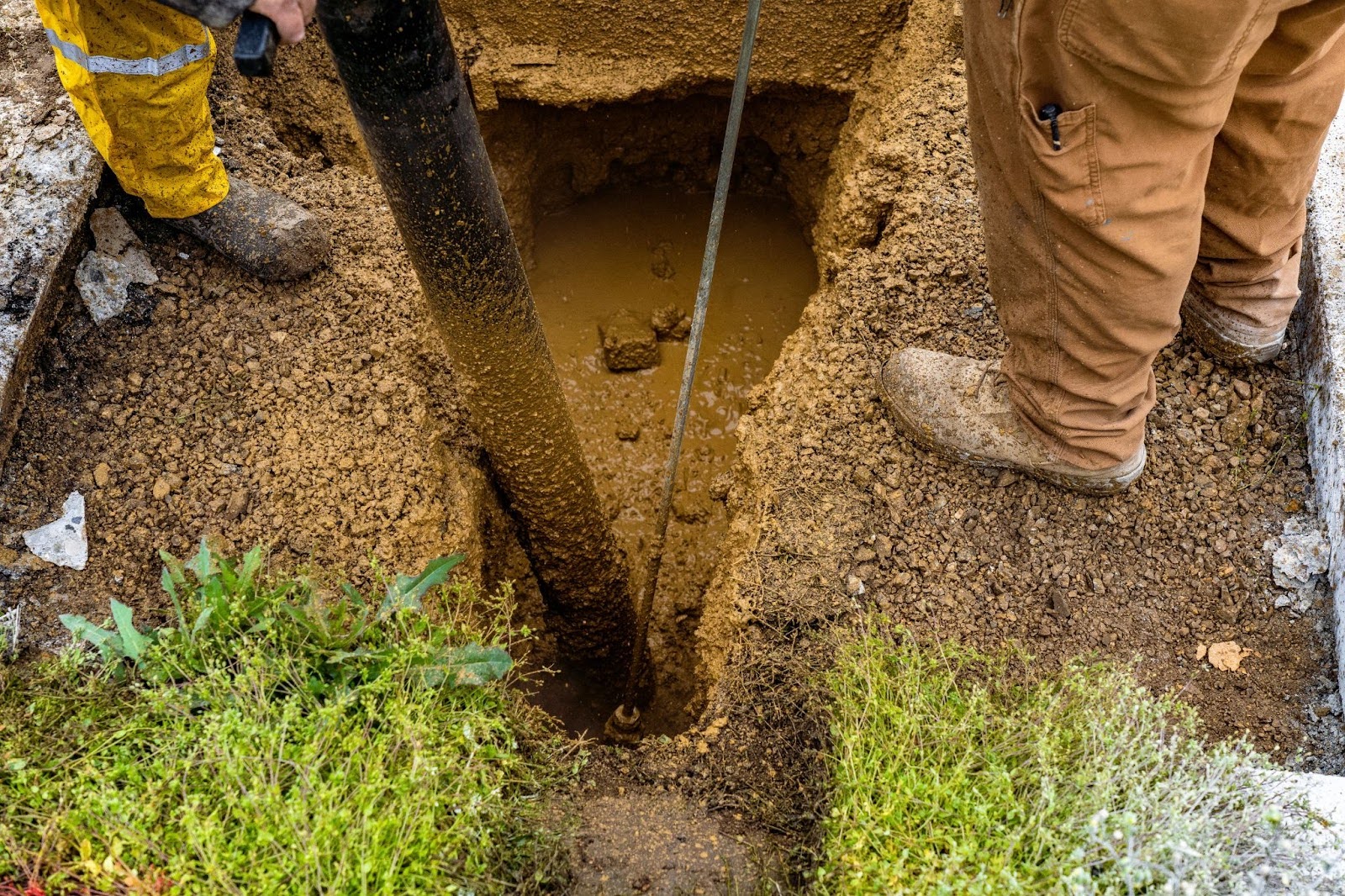
When you need to safely dig, explore and locate, expose underground utilities, remove soil in a tight space, carve out a narrow trench, consider hydro excavation.
What is hydro excavation?
It’s a non-destructive digging method that uses pressurized water breaking up soil and creating a slurry that is removed by a strong vacuum system, efficiently removing soil and debris. The technique is gaining popularity as a safe alternative to traditional mechanical excavation, especially near underground utilities.
Understanding the hydro excavation process helps project managers, contractors, and property owners decide if it’s the precise solution they need for their jobs.
What Is Hydro Excavation?
Hydro excavation pumps high-pressure water underground to break up earth and substrate (like rocks). A powerful vacuum then sucks up the slurry and removes the debris.
Hydro excavation minimizes ground disturbance and reduces the risk of damaging underground infrastructure. It’s often used in construction, utility work, industrial settings, and environmental projects.
How Hydro Excavation Works
The hydro excavation process consists of three steps:
Step 1 – Pressurized Water Injection
Water pressurized up to 3,000 Pounds per Square Inch (PSI) shoots into the ground, loosening soil and breaking up large clumps of earth without severing pipes or cables. Depending on the density and type of soil, the operator may use:
- A straight tip nozzle to create a concentrated water jet.
- A spinning tip nozzle to shoot a powerful, conical stream into the soil.
After the soil is slurried, it’s time to vacuum it up.
Step 2 – Vacuum Extraction
A powerful vacuum sucks up the slurry of water, soil, and debris into a holding tank, allowing for clean, controlled excavation without the mess of conventional digging.
Step 3 – Disposal or Backfilling
Accumulated debris is transported for either:
- Safe disposal in a designated area onsite
- Safe disposal at a designated landfill
Proper disposal is essential, as discharging hydro excavation debris in the wrong place can pollute the local environment and water systems, leading to stiff regulatory penalties and potential criminal charges.
Key Benefits of Hydro Excavation
In comparison to conventional mechanical excavation, hydro excavation offers significant benefits.
Increased Safety
Over a six-year period, conventional excavators struck natural gas pipes 840 times, causing hundreds of injuries and over $160 million in property damage. Traditional excavation is fast and clunky, with the potential to damage gas lines, electrical cables, and fiber optics.
Gentler, more precise hydro excavation doesn’t harm buried infrastructure and creates a safer working environment by minimizing unexpected hazards.
Precision and Accuracy
Hydro excavation’s precision also allows for more controlled digging in confined or sensitive areas. This accuracy lets hydro excavators operate in spaces where traditional excavation may be too aggressive, such as in side yards, near foundations, or around gardens.
Reduced Ground Disturbance
Hydro excavation dislodges less dirt than traditional excavators, resulting in a cleaner dig and quicker site restoration. Minimal soil disruption also helps preserve landscaping features, pavement, and structures near the job.
Improved Efficiency
Hydro excavators use water as hot as 115°F (46℃) to penetrate frozen or compacted ground and loosen stubborn soil. This technique increases versatility and reduces the chances of accidental damage versus traditional excavators.
Common Applications of Hydro Excavation
Hydro excavation can be used for various applications across a number of industries.
Industrial and Environmental Projects
Hydro excavation’s cleanliness and precision are key for:
- Unearthing and cleaning tanks or reservoirs
- Underground pipeline maintenance
- Underground utility maintenance
- Sensitive excavation tasks, such as those near waterways
- Exploratory digging
Controlled digging, damage, and debris equate to lower environmental harm versus traditional excavation.
Utility Exposure (Daylighting)
Regular excavators are too harsh and destructive to dig up buried utilities. One wrong move and utilities can be damaged or destroyed.
Hydro excavation, on the other hand, is gentler, allowing you to dig directly above utilities. This permits more accurate location and inspection without worrying about potential harm.
Trenching and Slot Excavation
Hydro excavation creates narrow, clean trenches that are ideal for utility installation, foundations, and conduit placement.
Soil Removal in Tight or Sensitive Areas
Digs close to building foundations, landscaping, fences, or on crowded job sites need a more precise, accurate touch to avoid collateral damage. Hydro excavation supports more controlled digging, minimizes dusty messes, and protects nearby areas.
Equipment Used in Hydro Excavation
Most hydro excavation systems are composed of:
- A water system that includes pumps, tubing, and spray nozzles.
- A vacuum system to vacuum up soil slurries and clear dirt as you dig.
- A debris tank to store the soil and substrate you remove.
- A heater on systems that support hot water excavation.
Certain hydro excavation systems are mounted on trailers, while others are built directly onto trucks. Larger systems with more pumping power dig faster and deeper than smaller units, so it’s important to understand the size of your job and the limitations of your equipment before choosing your system.
Limitations and Considerations
While hydro excavation is cleaner and more precise than traditional excavation, it can also be slower, especially in extremely rocky soil or areas that require significant earth removal.
Equipment access is also a concern: Hydro excavation machines are large and may not fit on every jobsite. Similarly, water access and waste disposal must be factored into project planning when utilizing hydro excavation.
Despite these limitations, the demand for hydro excavation continues to rise, and the technique is quickly becoming standard across multiple industries.
Why Hydro Excavation Is Becoming an Industry Standard
So, what is hydro excavation?
It’s a safer, cleaner, more precise alternative to mechanical digging that uses pressurized water and powerful vacuums to remove soil.
Hydro excavation’s accuracy makes it an increasingly popular choice for utility work, civil projects, and complex construction environments. Municipal usage shot up 15% in 2025 while demand for eco-friendly excavation methods rose by 20%.
If you have a digging project that requires the safe, clean touch of hydro excavation, trust an established, certified contractor to get the job done. Boomer Environmental delivers professional hydro excavation solutions—alongside wastewater treatment services and 24/7 emergency response services—designed to support safe, precise, and efficient project execution.
Sources:
- Gas Technology Institute. VACUUM EXCAVATION BEST PRACTICE & GUIDELINE. https://www.gti.energy/wp-content/uploads/2019/04/Keyhole-Vacuum-Excavation-Best-Practice-and-Guideline-Final-Jan2012.pdf.
- The United States Environmental Protection Agency. Criminal Provisions of the Resource Conservation and Recovery Act (RCRA). https://www.epa.gov/enforcement/criminal-provisions-resource-conservation-and-recovery-act-rcra.
- WaterJet Technology Association. Hydro-Excavation: Digging with Precision and Safety. https://www.wjta.org/images/wjta/August_2012_JetNews.pdf.
- Fact MR. Hydro Vacuum Excavation Service Industry Analysis in United States. https://www.factmr.com/report/hydro-vacuum-excavation-service-industry-analysis-in-united-states.
- OpenPR. Rising Trends of Commercial Hydro Excavation Service Market Generated Opportunities, Future Scope 2025-2032. https://www.openpr.com/news/4202124/rising-trends-of-commercial-hydro-excavation-service-market.