Environmental Compliance 101: A Guide for Small Businesses

At its core, environmental compliance simply means following environmental laws and regulations designed to protect people, property, and natural resources. And it’s not just for large corporations. Whether you run a small manufacturing facility, oversee an automotive operation, or manage a public works site, compliance isn’t optional.
This can sound intimidating, especially for small businesses juggling day-to-day operations, trying to manage costs, and excited about growing revenue. In fact, sometimes regulations can feel like constraints on growth. Our guide is here to help you understand what environmental compliance is, why it matters, and how small businesses can stay on the right side of regulations without disrupting operations. We’ll cover the basics of applicable laws, common risks, and when it makes sense to partner with experienced environmental professionals.
Environmental Compliance Program Explained
In a business context, environmental compliance refers to meeting all applicable environmental laws, permit requirements, and regulations tied to your operations. These rules govern how waste is handled, how wastewater is discharged, and how environmental incidents (e.g., spills or releases) are prevented and managed.
Compliance requirements come from multiple levels of government:
- Federal regulations are established and enforced by federal agencies and regulators such as the U.S. Environmental Protection Agency (EPA).
- State regulations are promulgated and enforced by state agencies, often adding stricter or more specific requirements.
- Local regulations may include municipal discharge limits, stormwater controls, or zoning-related environmental rules.
Each layer of regulation requires compliance, monitoring, and attestations to ensure businesses operate safely and responsibly within their communities.
Why Environmental Compliance Matters
Achieving compliance protects more than the environment; it also protects your business.
Health Risks
Improper waste handling or uncontrolled discharges can contaminate water, soil, and air, creating real public health risks. This will affect your family, your community, and your employees. Ensuring environmental compliance is a great way to protect everyone “downstream” from your business.
Financial Costs
From a financial standpoint, noncompliance can lead to fines, penalties, and costly corrective actions like environmental audit or remediation efforts. For industrial and manufacturing operations, enforcement actions can also trigger temporary shutdowns, delaying production, and disrupting supply chains. Cleanup costs following a spill or release often exceed the cost of prevention.
Legal Liabilities for Non-Compliance
A business must also consider the legal exposure of non-compliance. Businesses are typically responsible for waste “from cradle to grave,” meaning liability doesn’t end once materials leave their site or control. Thus, producers and transporters of waste are legally responsible for shepherding waste materials until their ultimate disposal.
Common Environmental Regulations Businesses Face
Most businesses are subject to a mix of federal, state, and local requirements to protect the environment. These regulatory compliance obligations vary depending on industry, waste streams involved, and operational footprint.
Federal Environmental Regulations
At the federal level, the EPA oversees major environmental laws that impact businesses nationwide. These laws address hazardous waste management, wastewater discharges, air emissions, and spill prevention and response. Enforcement by regulatory agencies typically includes inspections, reporting requirements, and corrective action orders when violations occur.
State and Local Environmental Requirements
State agencies often enforce additional rules to ensure compliance with regard to regional concerns, such as groundwater protection or industrial discharge limits. Requirements and environmental effects can vary significantly between states and even municipalities. That’s why location-specific compliance is critical for sustainable operations.
Industries Most Affected by Environmental Compliance
Industries with higher exposure to environmental site assessments and other regulations include:
- Industrial manufacturing
- Automotive
- Transportation & logistics
- Field Services & Utilities
- Public sector operations
These sectors often handle regulated materials, generate wastewater, or operate equipment that poses spill or release risks. Common challenges include managing oily water, controlling stormwater runoff, maintaining proper waste documentation, and responding quickly to unexpected incidents. For many industrial sites, compliance is a moving target that requires ongoing attention.
Key Areas of Environmental Compliance
Components of environmental compliance typically centers on three major areas:
- Waste management – Most regulated waste streams carry cradle-to-grave responsibility, requiring proper handling, transport, recycling, or disposal.
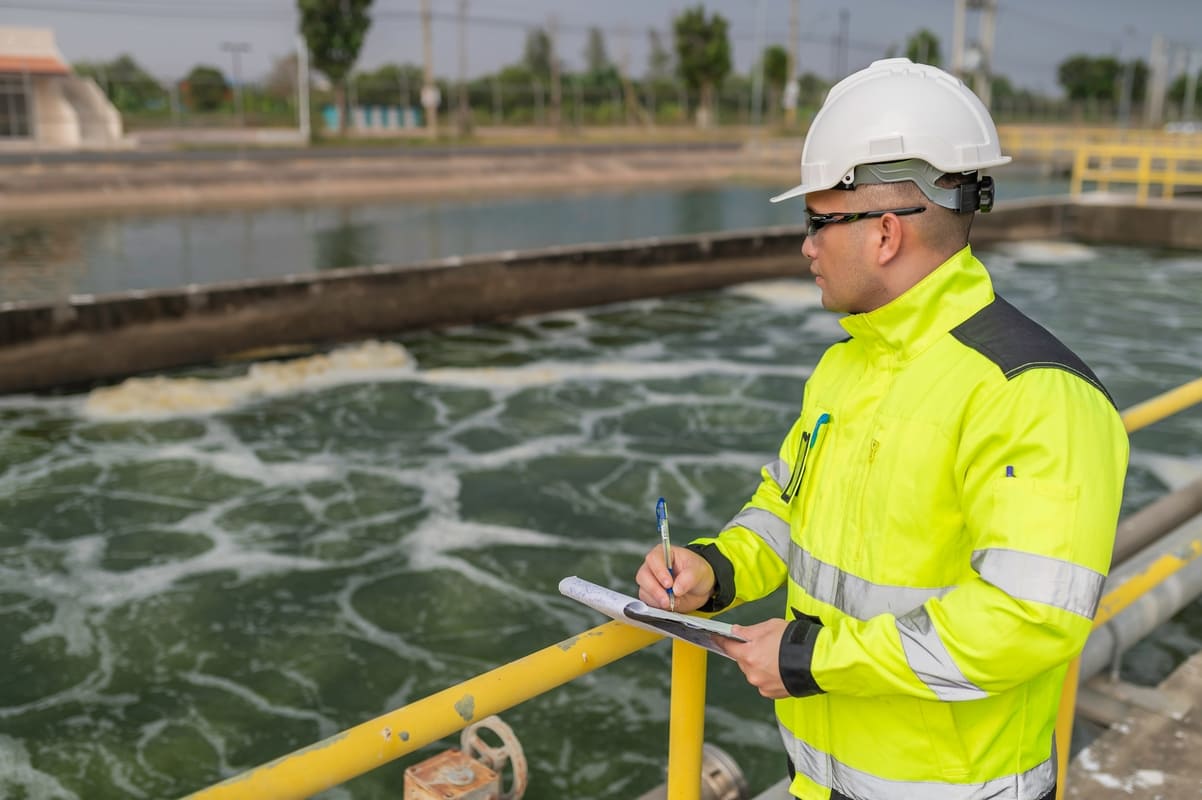
- Wastewater and stormwater – Discharges must meet permit limits, and systems must be maintained to prevent environmental impact.
- Spill prevention and response – Businesses should have plans, equipment, and trained personnel ready to respond when incidents occur.
Failure to adhere to relevant regulations in any of these areas can escalate into enforcement actions.
How to Maintain Environmental Compliance
Staying compliant with environmental regulations starts with routine inspections and proactive maintenance. Equipment issues caught early are far easier to manage than emergency failures. Employee training is equally important in a compliance plan; clear procedures and documentation reduce risk and confusion during critical moments.
Third-party environmental services often play a key role in maintaining compliance, especially for small businesses without dedicated environmental staff. Licensed professionals bring specialized equipment and regulatory experience that helps close effective environmental compliance gaps.
When to Partner With an Environmental Services Provider
If compliance tasks are pulling resources away from core operations, or if incidents are becoming harder to manage internally, it may be time to bring in outside support to proactively address environmental regulations. Additionally, outsourcing your compliance efforts might be more cost-effective if your business and activities don’t justify a full-time colleague.
Environmental experts help reduce risk, manage regulatory requirements, come up with compliance strategies, and respond quickly when minutes matter. Proactive partnerships also help prevent small issues from becoming major disruptions.
Environmental Compliance at Boomer Environmental
Boomer Environmental supports environmental compliance measures through practical, field-ready solutions. Our services include environmental field services, wastewater treatment, oily water recovery, waste removal, and 24/7 emergency response for situations like chemical spills, oil spills, severe weather damage, industrial accidents, and specialized cleanups.
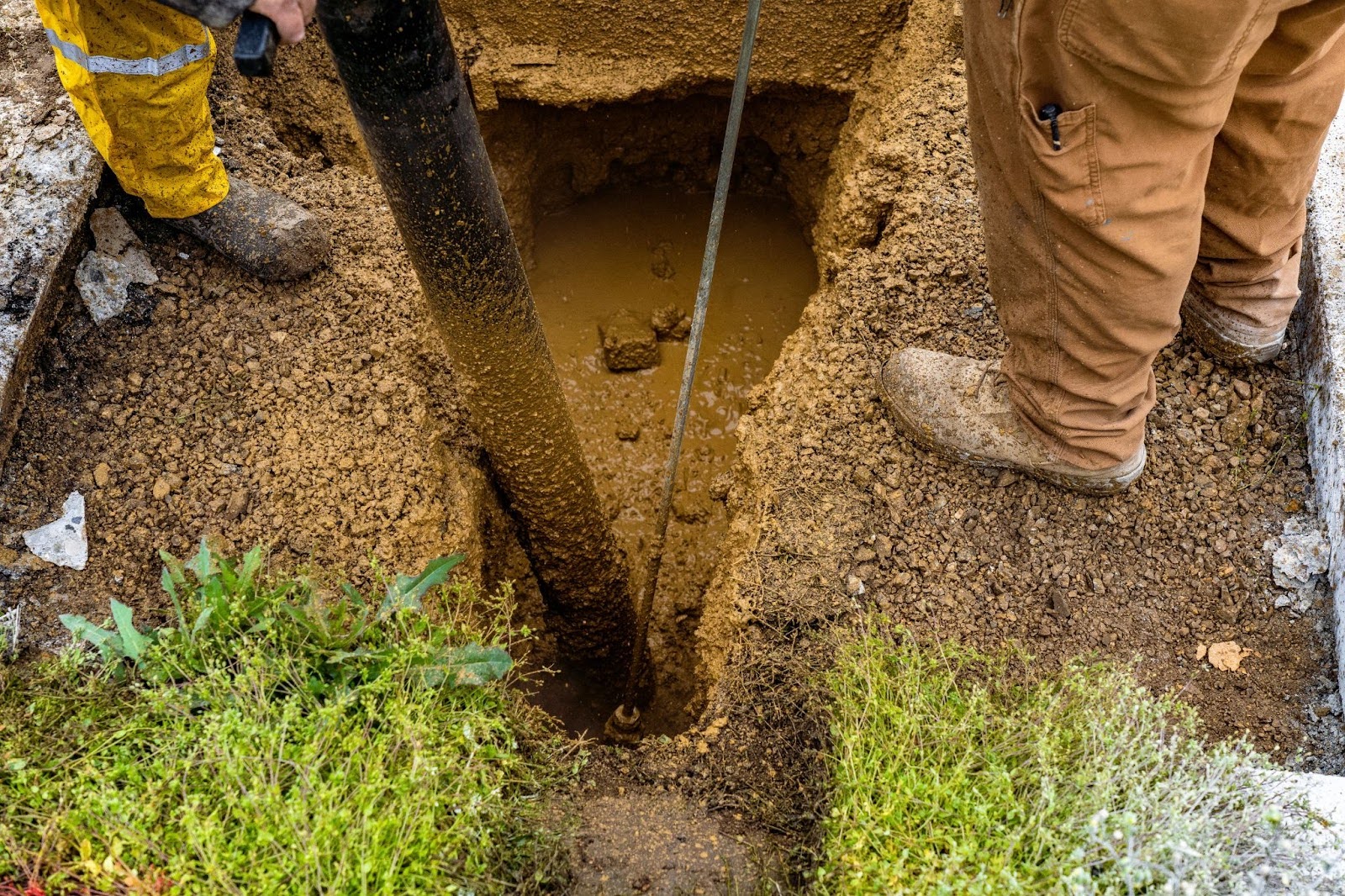
From initial assessment and containment to removal, cleanup, and verification, Boomer’s licensed professionals follow strict safety protocols and environmental regulations. Advanced equipment—such as industrial vacuums, hydroblasting, hydro-excavation, and cryogenic (dry-ice) blasting—allows teams to adapt to each site’s specific compliance needs.
Serving Oklahoma, Arkansas, and Texas, Boomer Environmental helps businesses protect their operations, their communities, and the environment without missing a beat. Contact us today to learn more about our services.