How to Recycle Used Oil in Large Quantities
How to Recycle Used Oil in Large Quantities
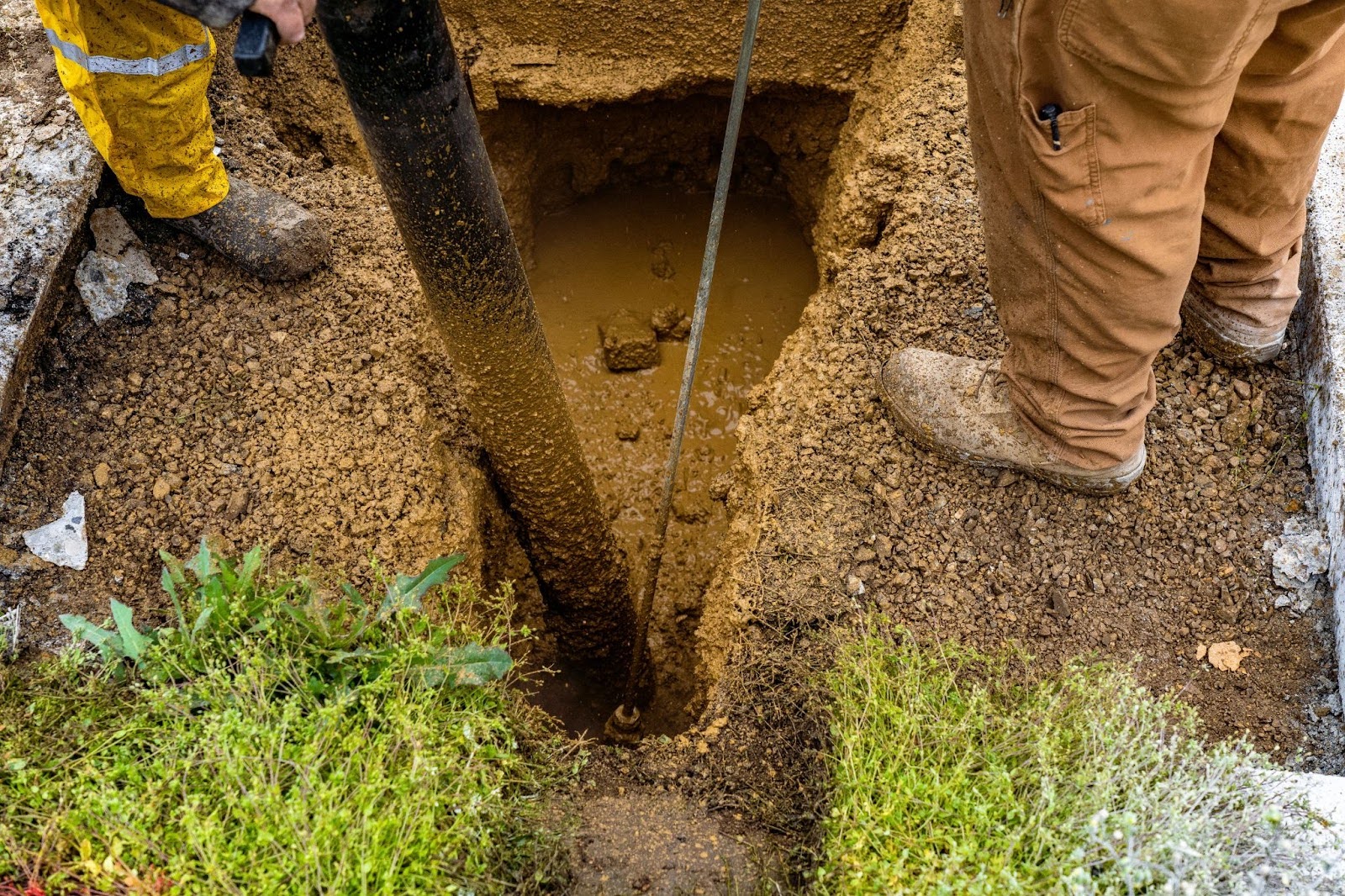
Oil is an essential resource for transportation, industrial production, public utilities, and thousands more applications. But, it’s also a hazardous substance that must be handled properly at all stages—particularly once it’s been used and needs to be disposed of.
Used oil is contaminated and must be recycled in compliance with EPA and state and local hazardous waste guidelines. This ensures environmental stewardship, regulatory compliance, community trust, and, ultimately, business longevity.
Below, we detail how used oil recycling works, best practices for handling contaminated oil, risks of mismanagement, and how Boomer Environmental can support your business with all of these.
What Qualifies as Used Oil?
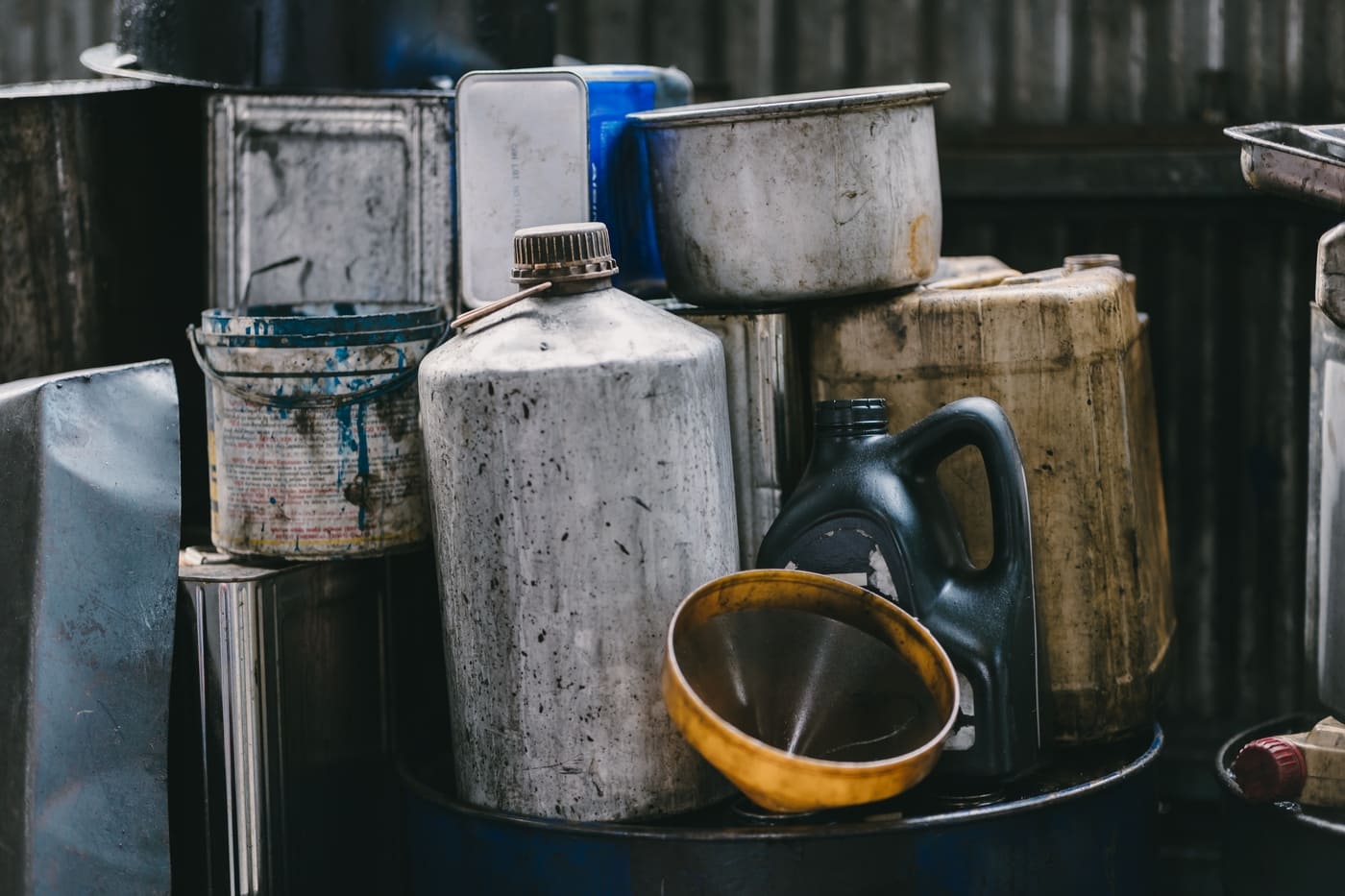
Put simply, used oil is any petroleum-based or synthetic oil that’s been contaminated through use. Dirt, metal shavings, water, and other fluids can all cause contamination, all of which can be normal in the ordinary course of oil usage. Some common examples of used oil include discharged motor oil, used hydraulic fluids, used transmission fluids, and gear oils.
While “used oil” or “dirty oil” might have a negative connotation, it’s a very common and normal byproduct of a large number of daily activities. The vehicle you drove to work, the farm equipment that enabled the production of the food you ate, the machinery that made the components of your smart phone, and the airplane that took you on your last vacation all produce large amounts of used oil.
Why Recycling Used Oil Matters
Generators of used oil (i.e., the producers mentioned above) are responsible for their used oil—from creation to final disposal—according to the EPA. By understanding how to recycle used oil, your business can avoid cleanup liability, environmental fines, and reputational damage–all of which can be costly in a variety of ways.
Environmental & Economic Impact
Recycling used oil has a huge positive impact on the environment—and your bottom line:
- Re-refining oil reduces the demand for new crude extraction.
- Recycling used oil requires roughly one-third of the energy needed to refine crude oil into lubricant quality.
- Two gallons of used oil produce the same amount of clean lubricating oil as 42 gallons of crude oil.
Common Risks of Improper Disposal
Additionally, the improper disposal of used oil carries significant risks, such as:
- Soil and groundwater contamination – One gallon of used motor oil can contaminate 1 million gallons of fresh water, highlighting why proper waste disposal and containment practices are critical when managing oil-related waste.
- Fire hazards – Many oils are flammable and may spontaneously combust, especially when mixed with other materials or in large quantities.
- EPA fines and legal exposure – Fines can reach tens of thousands of dollars per day, and they may even result in jail time.
- Reputational harm – Public backlash from large-scale environmental incidents related to oil and oil-based products require public relations damage control and cost stakeholders and shareholders immensely. (An extreme example is BP following their deepwater incident in 2010, after which they suffered significant reputational harm and a decline in shareholder value of nearly 55% in 40 days.)
Put simply, careful attention to the proper maintenance and disposal of used oil protects the environment and maintains your public approval. That’s why even government agencies and defense facilities must rely on strict public sector environmental services protocols to ensure oil and related materials are handled responsibly.
How Large-Scale Used Oil Recycling Works
Given the amount of oil they use, large-scale operations must follow specific recycling best practices to reduce environmental risk, improve operational efficiency, and conserve resources.
Safe Collection & Segregation
Used oil must be safely collected and segregated as the first step in oil recycling. For an organized and streamlined process, keep the following tips in mind:
- Use leak-proof, labeled containers with secure lids
- Avoid mixing the oil with antifreeze, solvents, or other materials
- Designate a central collection area with secondary containment
Boomer Environmental supplies DOT-compliant drums, tanks, and totes to make collection and segregation as straightforward as possible for generators.
Licensed Transport & Documentation
Licensed haulers with manifest documentation must transport any used oil in specialized trucks. Similarly, large-volume generators must maintain records of used oil quantities and destinations.
Boomer Environmental coordinates pickup, transport, and compliance paperwork to streamline operations and ensure proper handling.
Processing & Reuse Options
What happens to your used oil once it has been collected? There are several possibilities:
- Re-refining – This process treats oil to remove impurities and returns it to its original state, prolonging the resource indefinitely.
- Fuel blending – Used oil is mixed with other materials or fuels to create a new product to be burned in industrial processes.
- Energy recovery – Used oil is burned to power cement kilns, furnaces, and plants.
These processes create products such as clean lubricants, asphalt extenders, and fuel oils that extend the life of the oil.
Who Needs Large-Scale Oil Recycling?
Any business that generates large amounts of oil must implement large-scale oil recycling programs. Transportation companies, industrial and manufacturing sites, auto service businesses, construction companies, and equipment operators are a few examples.
Fortunately, Boomer Environmental tailors services like pickup frequency and container sizing to each client’s needs and industry-specific demands, making the recycling process easy and hassle-free.
Best Practices for Oil Management
In addition to implementing the practices above, following these tips for proper oil management can help your business stay compliant and efficient:
Train Your Team
Make sure your team is well-informed on oil management procedures. Staff must clearly label all containers as “Used Oil” and be trained on safe transfer, spill response, and PPE.
When you partner with Boomer Environmental, we offer comprehensive training as part of our onboarding process. Our mutual goal is to ensure that your team is aware of the requirements for used oil recapture, storage, and recycling.
Schedule Regular Service
Regularly and accurately assess the volume of oil your business generates to avoid overflow and violations.
Schedule weekly, bi-weekly, or monthly pickups with Boomer Environmental for route-based pickup service tailored to your usage rate.
Keep Accurate Records
Stay up to date on records by tracking volume generated, destination facilities, and recycled output. Organized documentation helps support internal goals and third-party audits, assuring compliance every step of the way.
Trust Boomer Environmental’s Oil Recovery Services
Boomer Environmental is your trusted partner for high-volume used oil recycling across Oklahoma. We offer:
- Reliable, scheduled pickups for 55-gallon drums, IBC totes, and storage tanks
- Certified manifesting and regulatory compliance documentation
- Spill kits, training, and support for safe collection and containment
- Combined programs for oil filters, oily rags, absorbents, and antifreeze–materials often associated with the production of dirty oil–to ensure we meet the breadth of needs of your business
- Recycling at EPA-approved facilities with a transparent chain of custody
Contact us for a consultation to learn more about how we can help keep your business compliant, improve your environmental stewardship, reduce your liability, and maintain your community’s trust.
Sources:
- United States Environmental Protection Agency. Managing Used Oil: Answers to Frequent Questions for Businesses. https://www.epa.gov/hw/managing-used-oil-answers-frequent-questions-businesses#regulatory
- Mississippi Department of Environmental Quality. Used Motor Oil. https://www.mdeq.ms.gov/land/waste-division/solid-waste-management-programs/recycling/faqs/motor-oil/
- United States Environmental Protection Agency. Criminal Provisions of the Resource Conservation and Recovery Act (RCRA). https://www.epa.gov/enforcement/criminal-provisions-resource-conservation-and-recovery-act-rcra